How It Began
Long before My New Hampshire Diner became a play, it spent more than a decade trying to become something else.

About fourteen years ago, I started writing a screenplay set in a restaurant in New Hampshire.
At the time, I was working full-time. Most weekdays, I’d spend part of my lunch break writing, then head to a coffee shop and keep going late into the night.
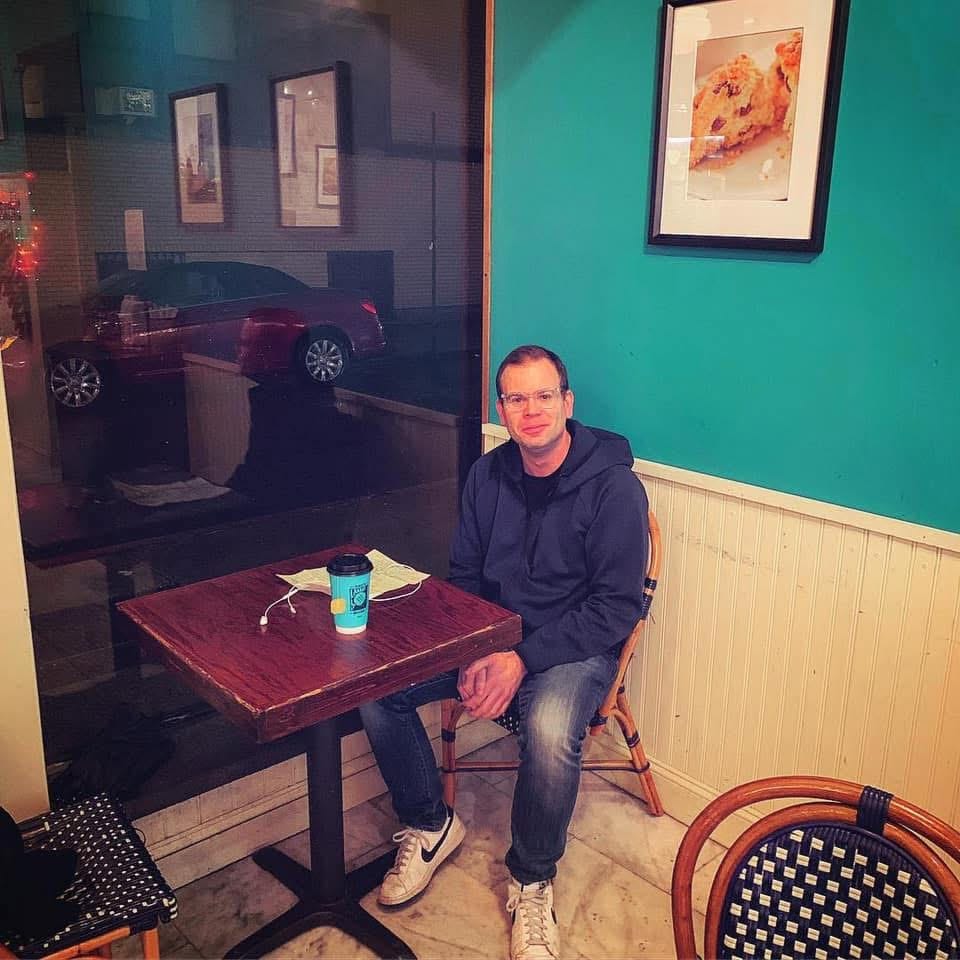
[At the old Amy’s Bread on Bleecker St. in NYC]
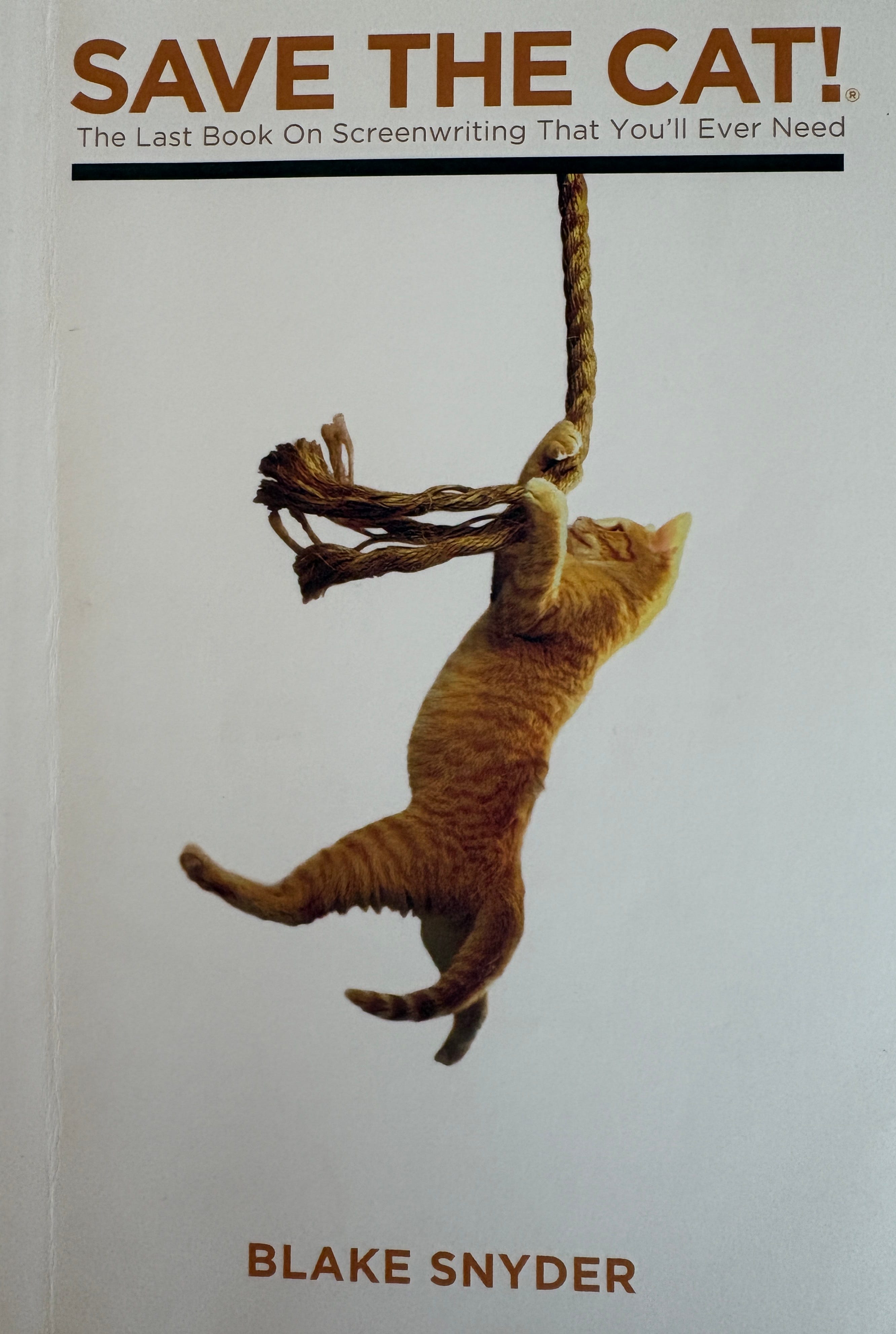
Like so many aspiring screenwriters, I bought a copy of Save the Cat! and tried to learn more about structure.
At the heart of the screenplay was the relationship between a legendary restaurant owner (a local hero because of his athletic accomplishments), and a socially awkward high school busboy trying desperately to find his place in the world.
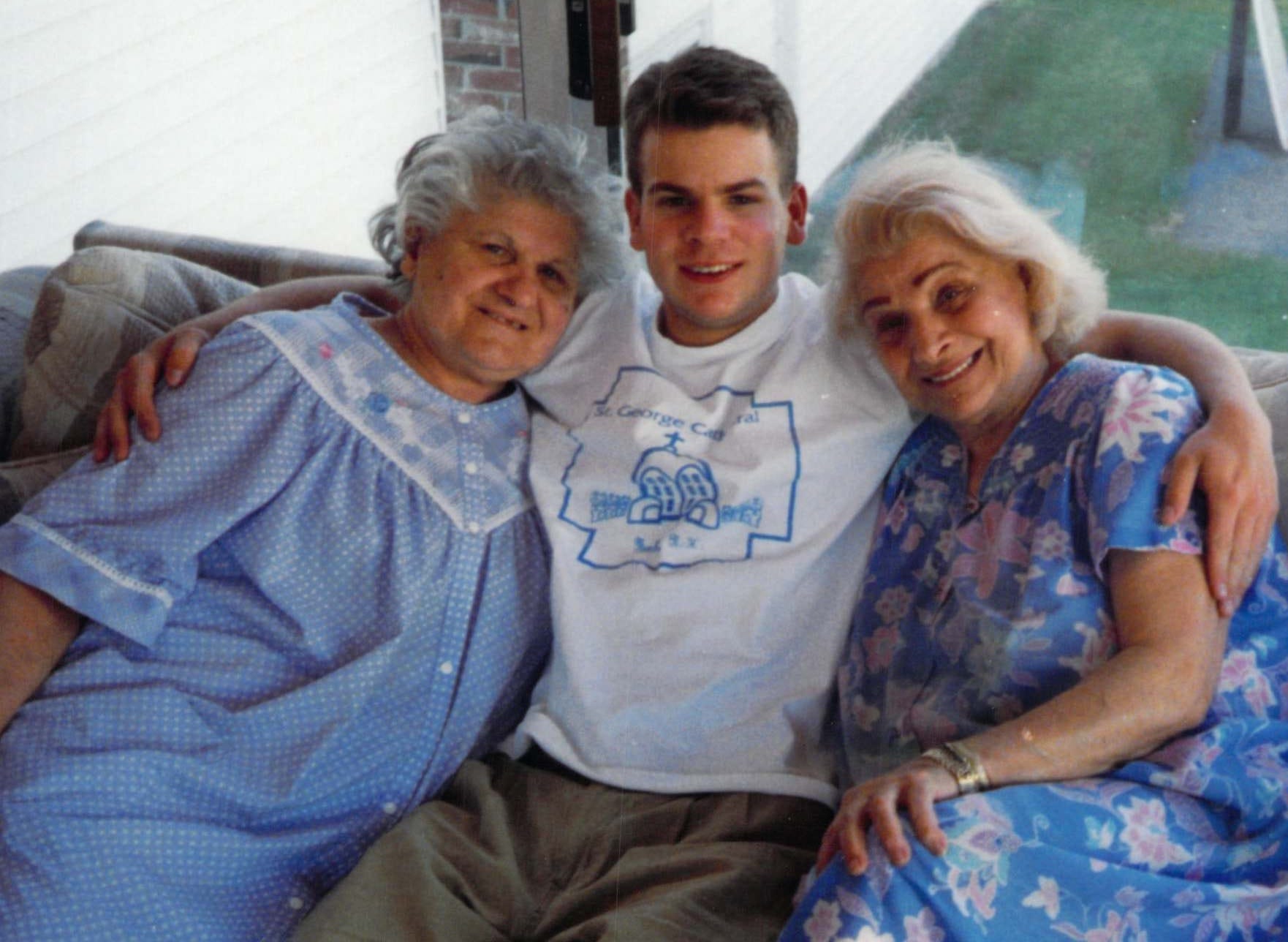
[Me at fifteen]
There were parts of that world I loved.
A cold can of ginger ale at the end of a long shift.
A lucky rabbit’s foot dangling from a shoestring necklace.
A taxi driver with a heart of gold.
Individually, each one fascinated me.
Collectively, they refused to become a story.
The problem was, none of the puzzle pieces seemed to fit together.
Shortly after, I sent it to a handful of friends whose opinions I trusted.
The responses weren’t bad.
They also weren’t what I had hoped for.
People saw potential, but no one said, “You have to keep going with this.”
That was hard to hear.
I remember thinking: “Maybe I’m just not cut out to write a screenplay.”
Eventually, I admitted to myself that it wasn’t working.
So I put it away deep in the bottom drawer of my desk.
Going Back
Seven years later, I tried again.
This time, I reimagined the idea as a TV pilot.
I borrowed some of the same characters and situations, hoping a different format would unlock something.
It didn’t.
The characters still felt one-dimensional.
The story still wouldn’t come together.
Another draft.
Back into the desk drawer it went.
On one afternoon, something unexpected happened.
I stopped trying to write the story.
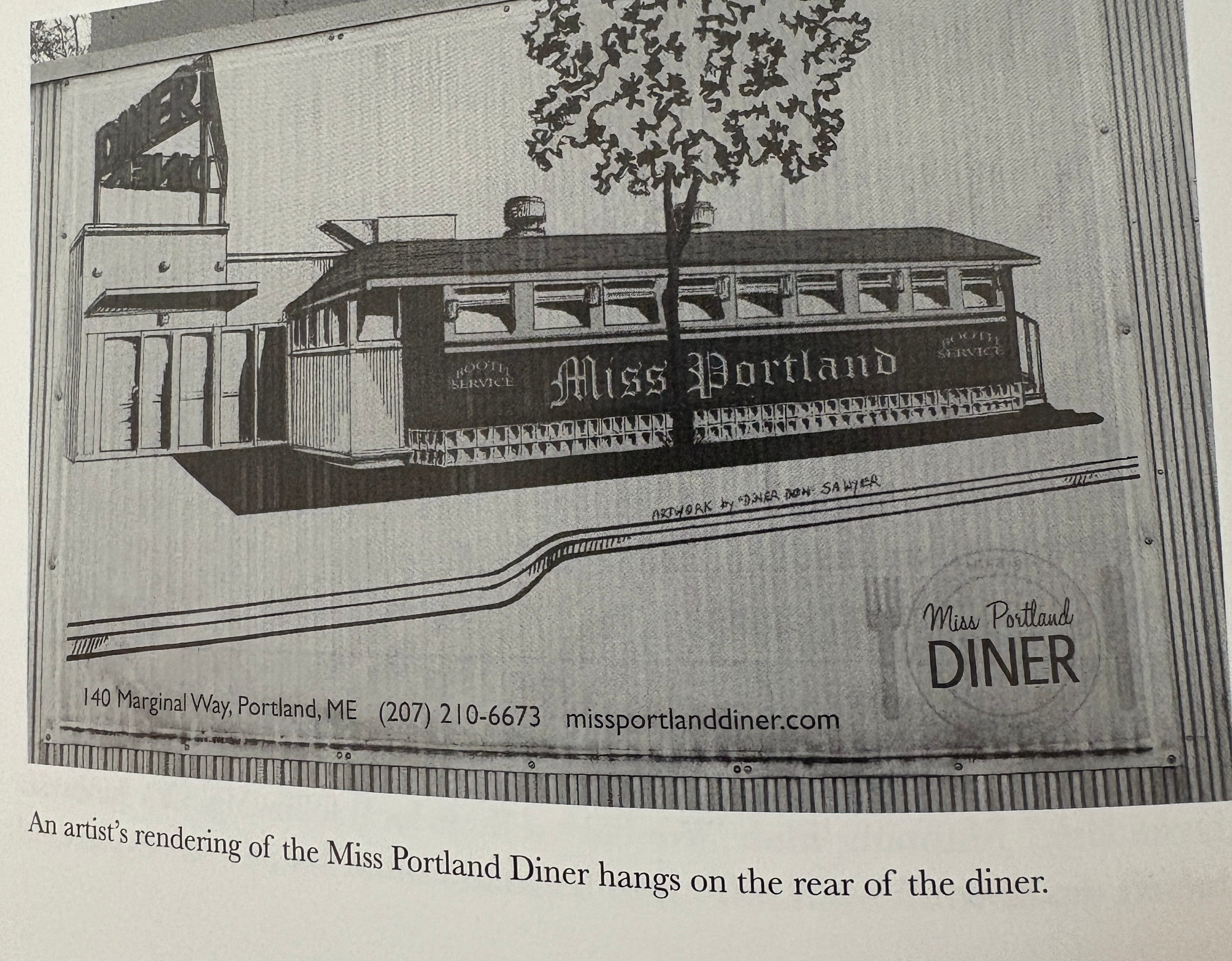
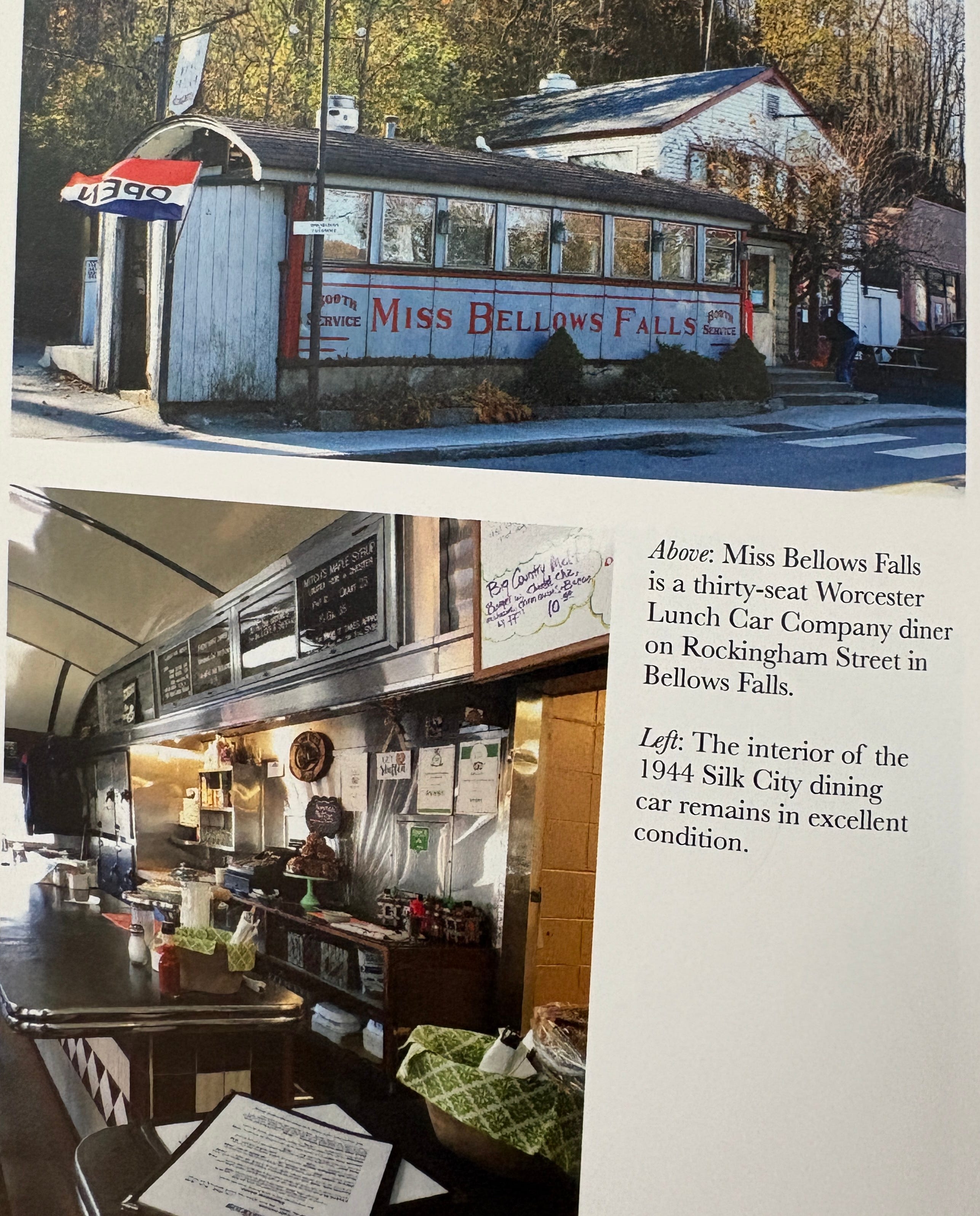
Instead, I started writing about diners.
Not a screenplay.
Not a TV pilot.
Just diners.
The places themselves.
The people.
The conversations.
At first, I hoped all of it might eventually become something.
But after a while, I stopped worrying about that.
I was simply writing about things I genuinely loved.
The pressure disappeared.
Instead of forcing a story, I found myself following my curiosity.
And the more I wrote, the more I didn’t want to stop.
These weren’t scenes anymore.
They were memories.
Why Diners?
Why was I so drawn to diners?
There was always something about a diner that made me feel safe and comfortable.
My mom and dad loved them.
So did I.
Whether you were in a small New Hampshire town or the middle of New York City, a good diner somehow made you feel like you belonged.
Looking back, it’s amazing how every chapter of my life had its own diner.
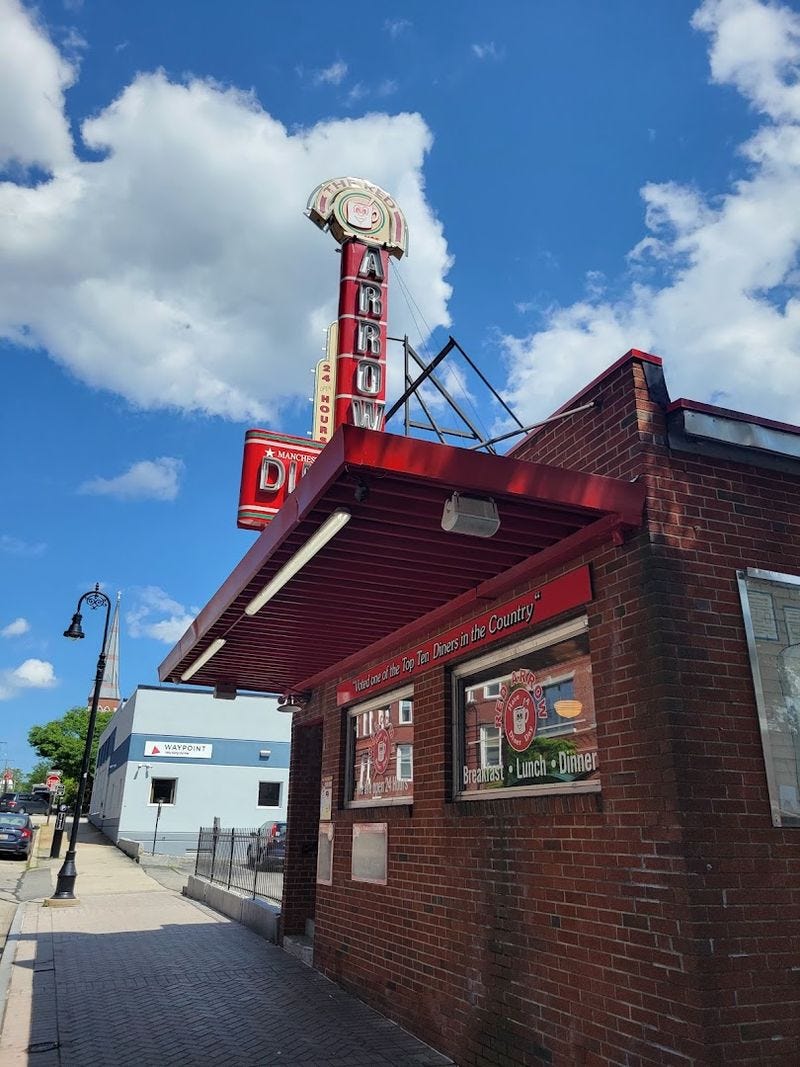
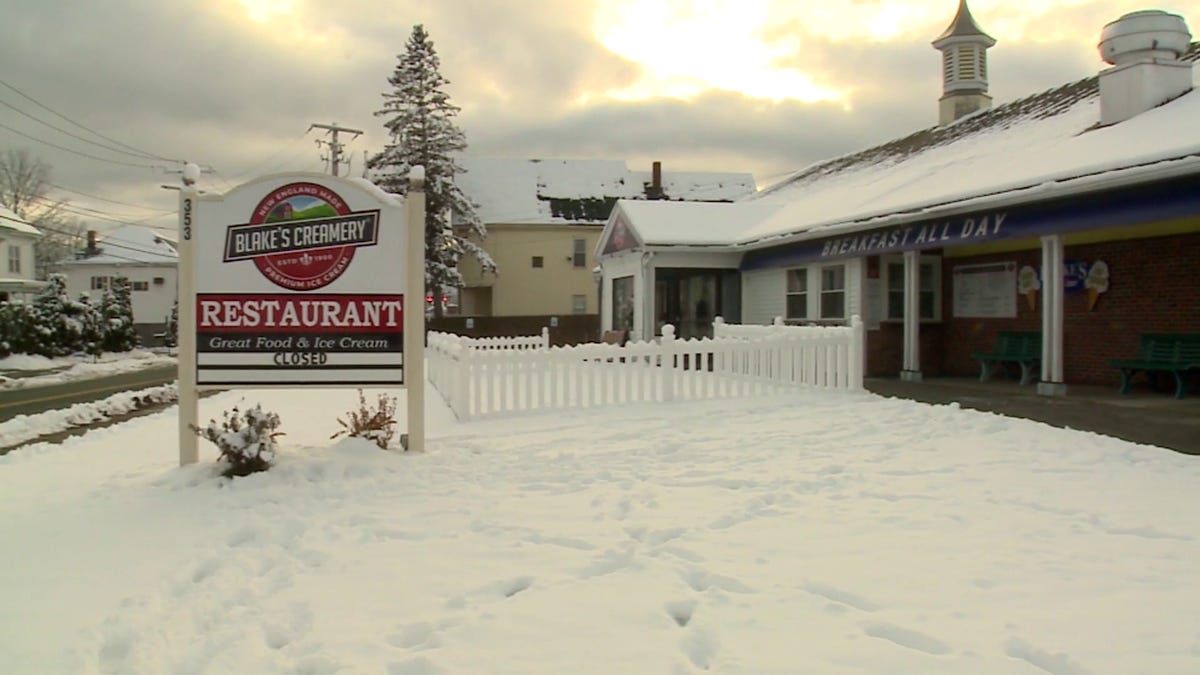
Growing up in Manchester, we had the Red Arrow and Blake’s. We went often as a family.
In Keene, it was Lindy’s.
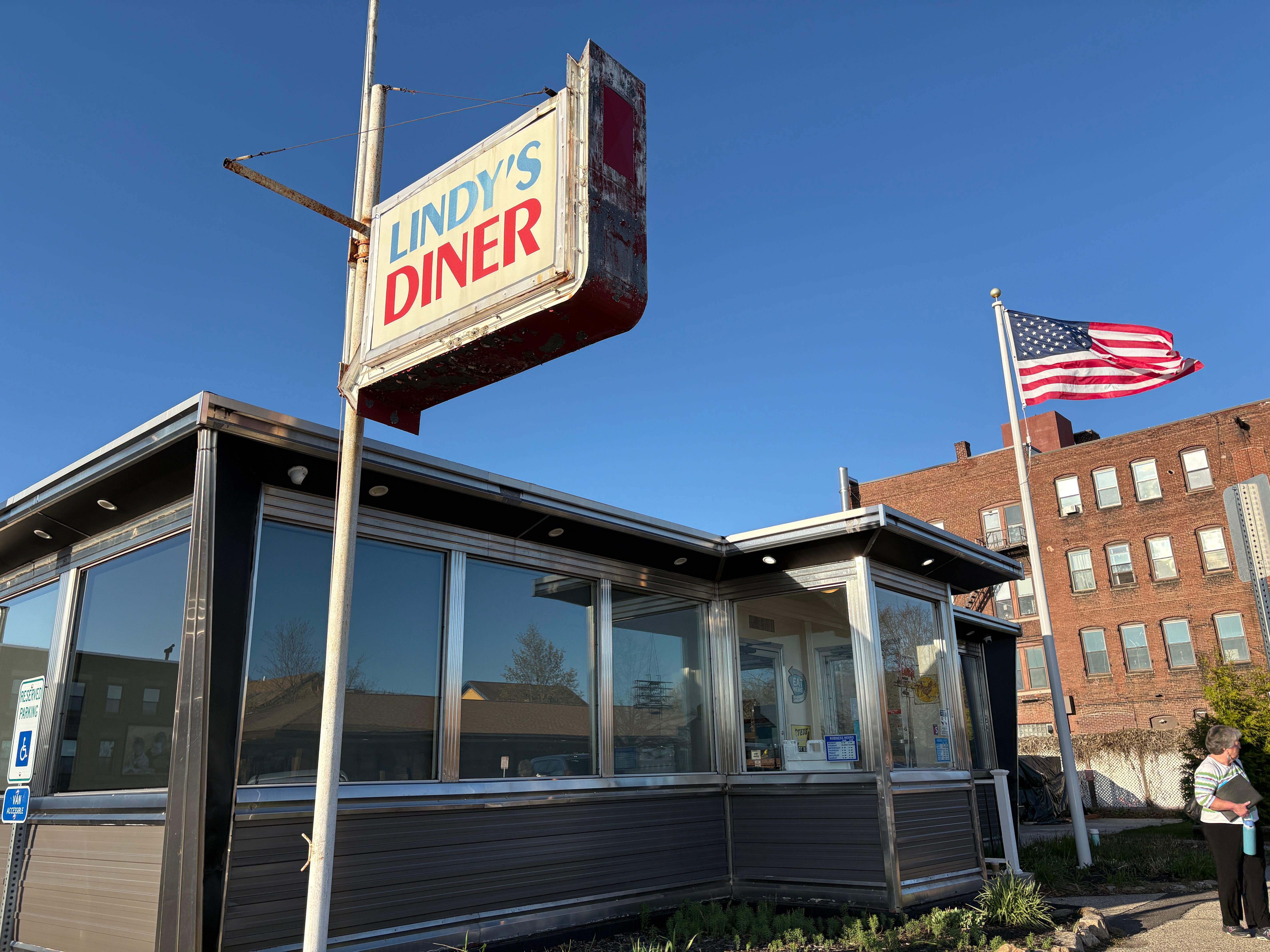
In Manhattan, it became the Waverly.
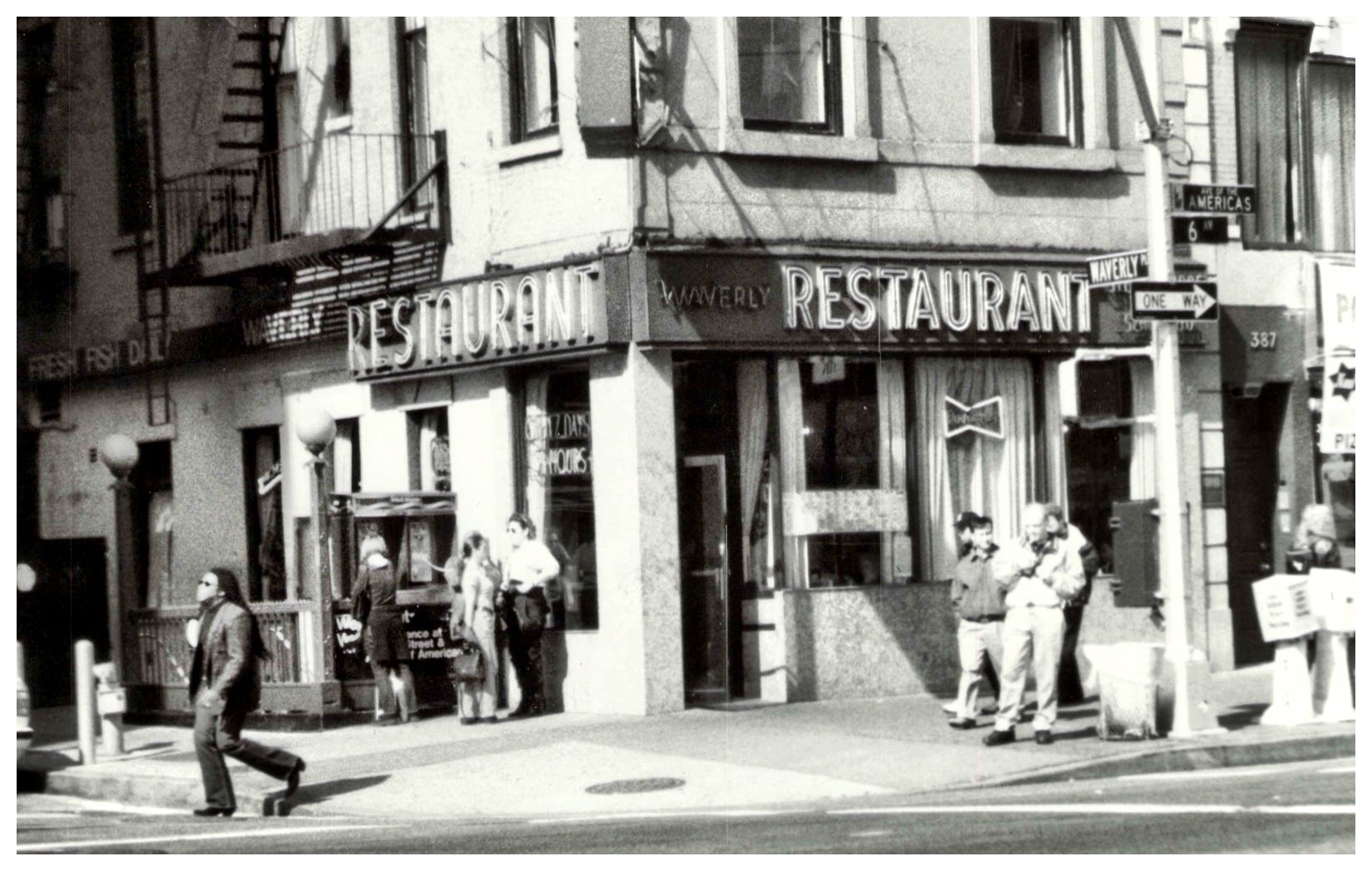
In Fairview, New Jersey, it was the Park View Diner.
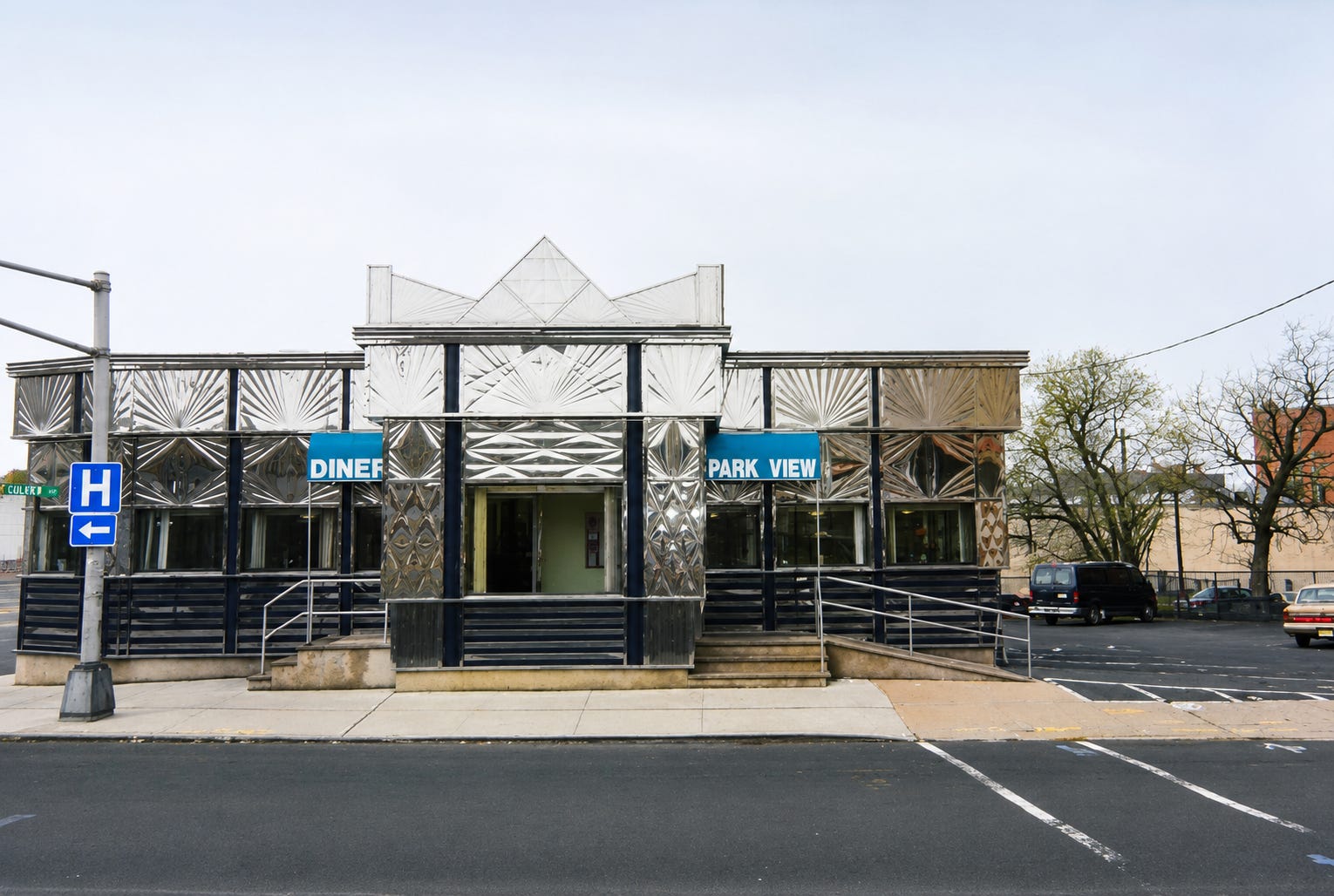
In Hoboken, the Malibu, where my friend Walter introduced me to Jersey disco fries.
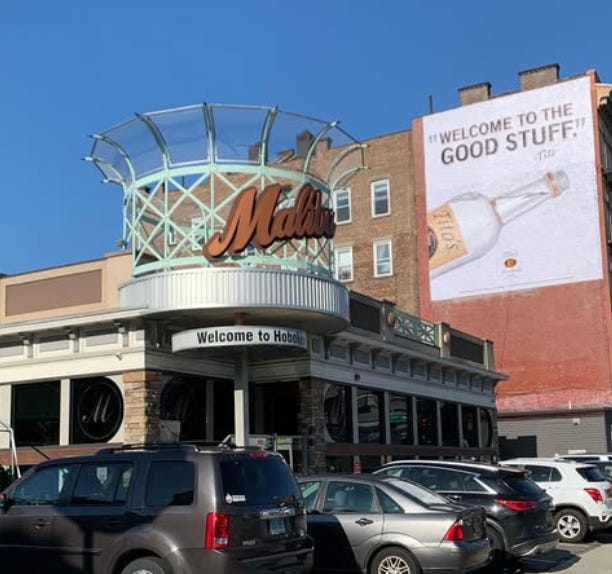
No matter where I lived, I always seemed to find my diner.
Every diner had its regulars. The waitress who knew your order. The cook working behind the grill. The elderly couple in the corner.
Even when I was eating alone, I never really felt alone.
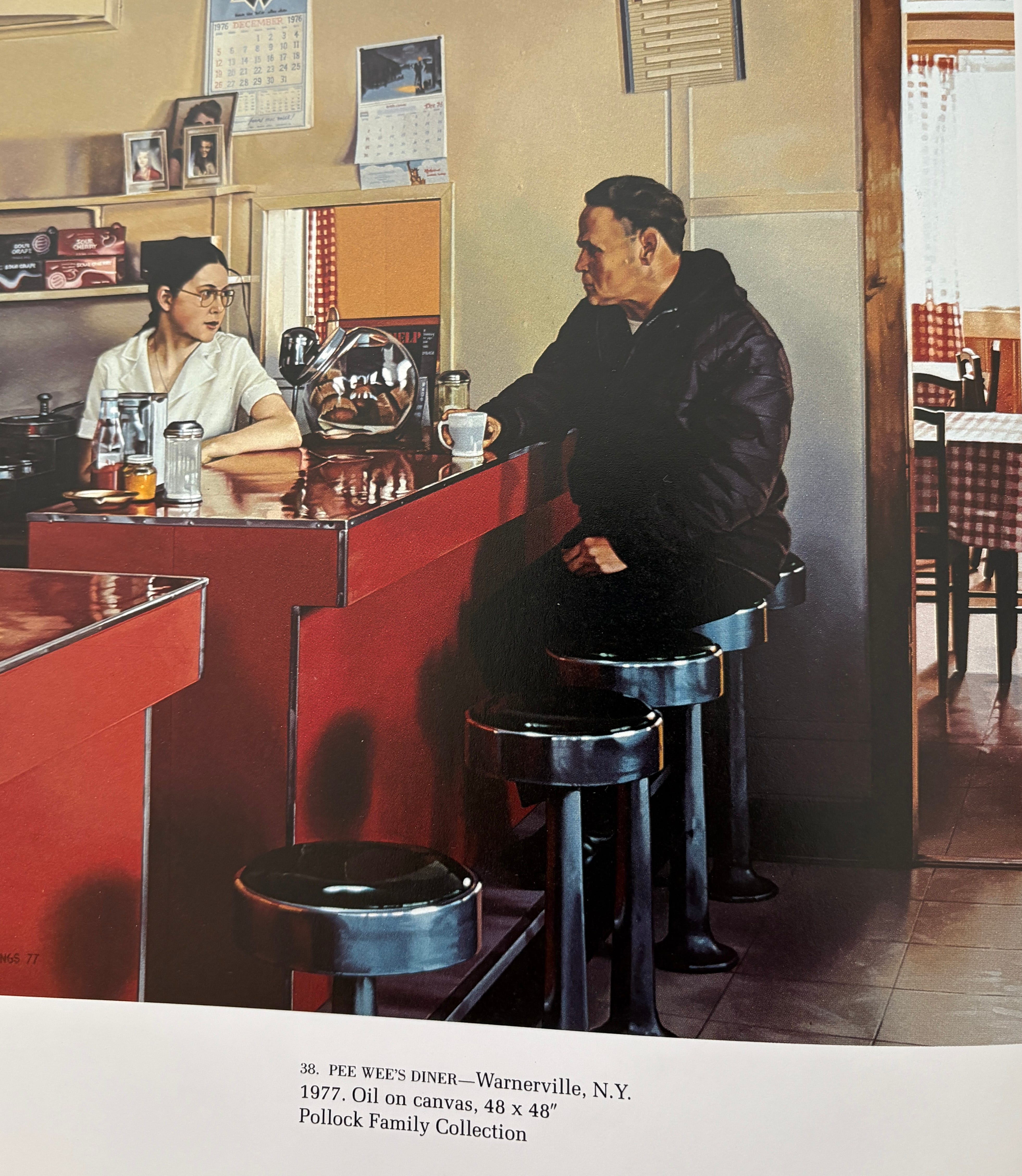
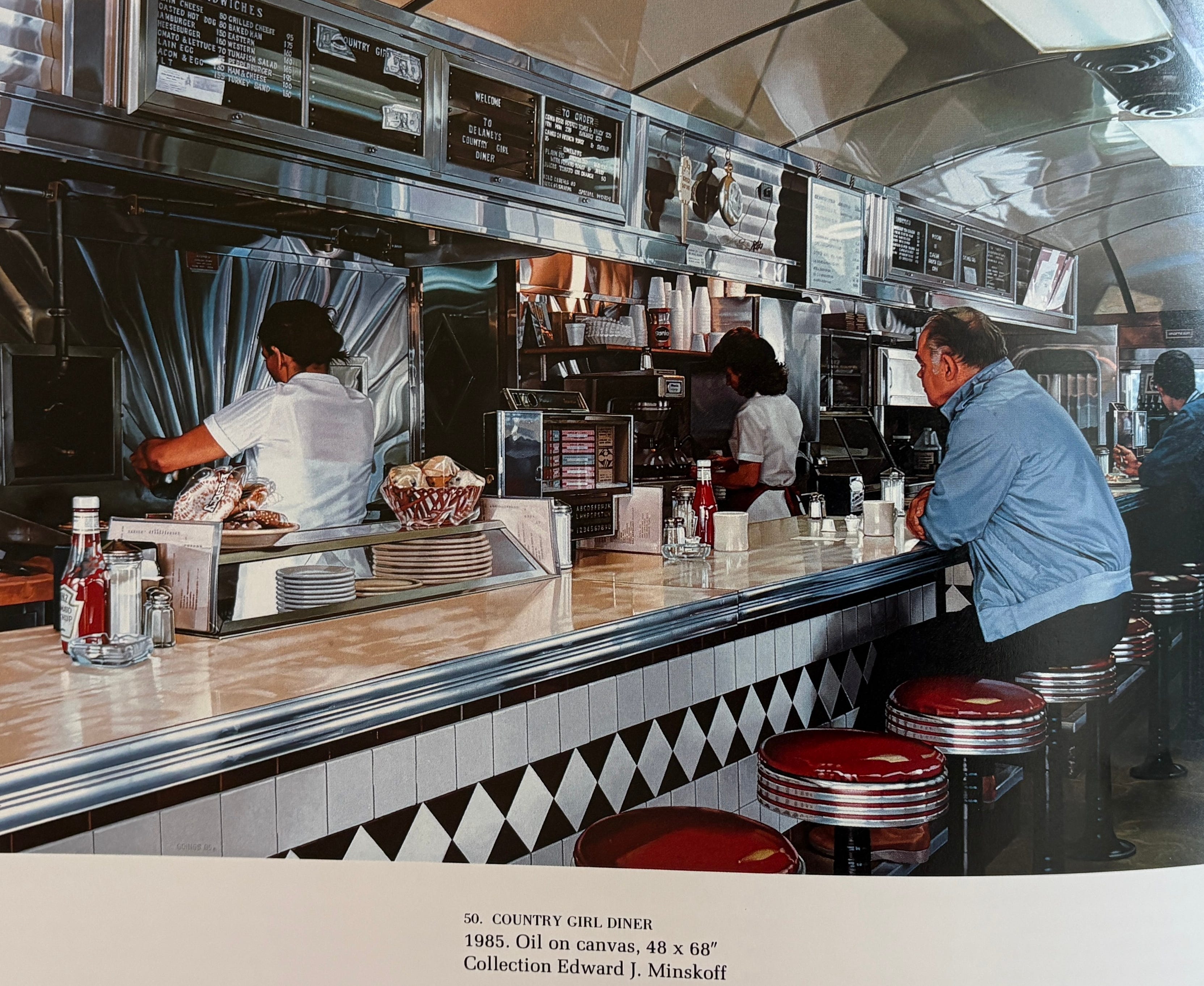
I bought every book on New England diners I could find, many filled with beautiful photographs and sometimes paintings (Ralph Goings). Instead of worrying about plot, I immersed myself in their history, architecture, menus, and the personalities that made each one unique.
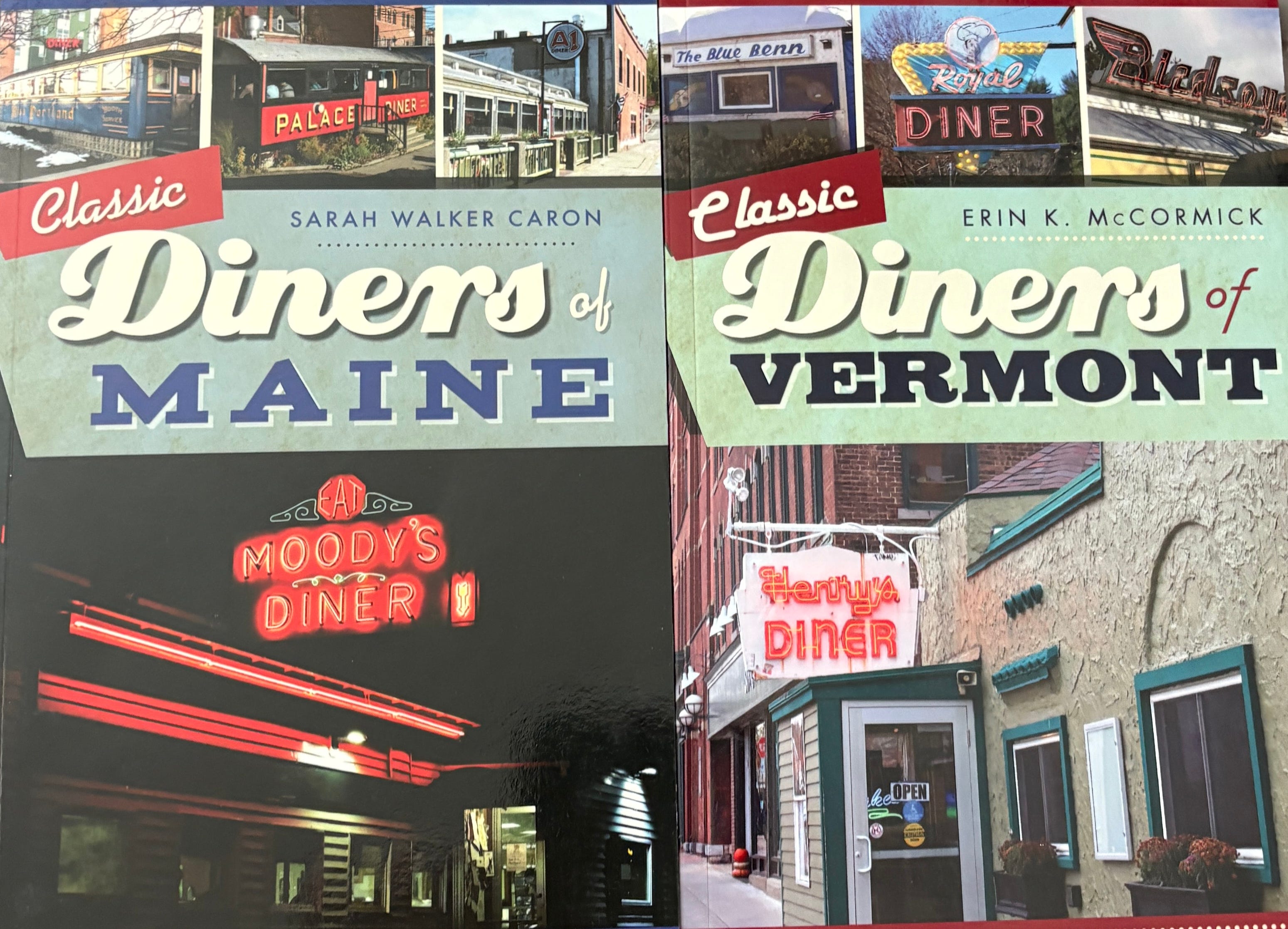
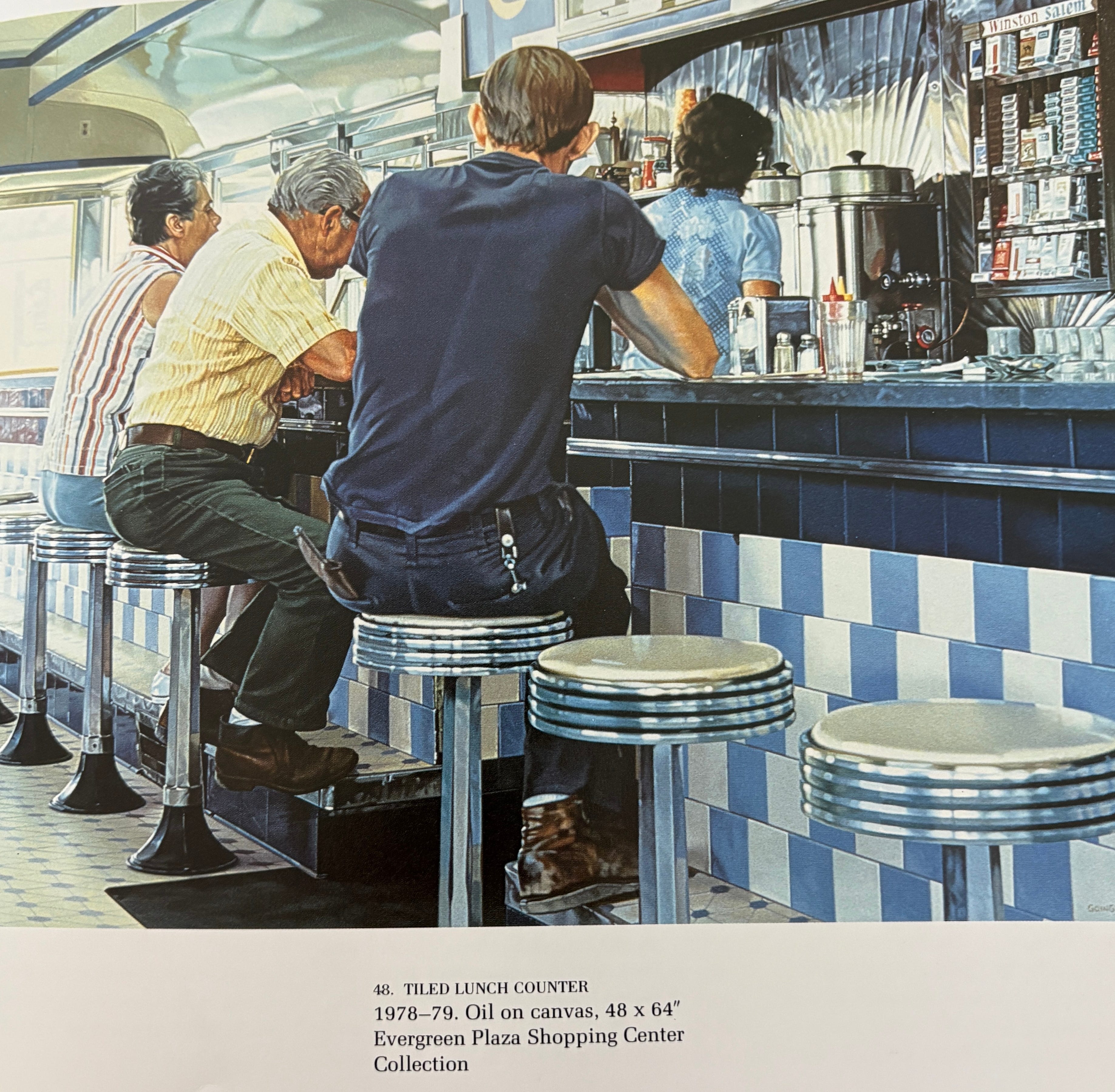
For the first time in years, I wasn’t frustrated.
I found myself writing pages and pages about these diners that had been part of my life.
Not just what they looked like.
What they meant to me.
Who I was during that chapter of my life.
Before long, one folder became two.
Then three.
I wasn’t collecting a story anymore.
I was collecting pieces of a world.
Local Heroes
Then another idea found me.
I started writing about hometown sports heroes.
Growing up in Manchester, two names stood above almost everyone else.
Mike Flanagan.
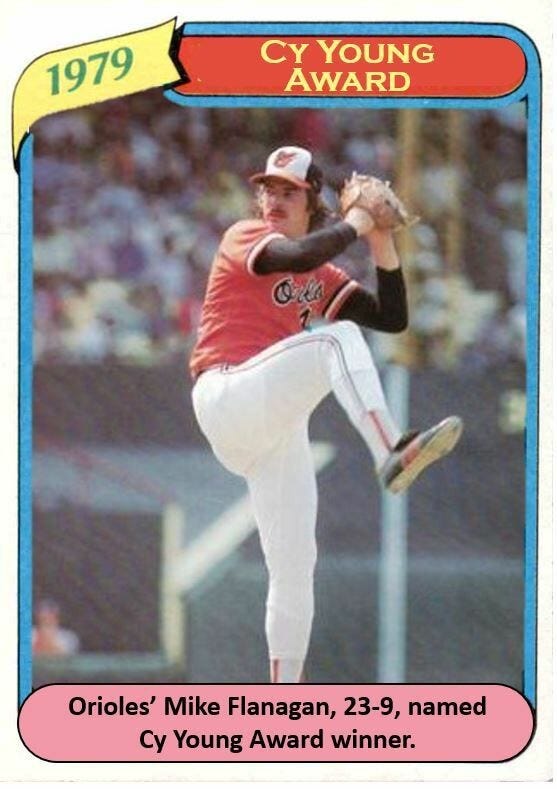
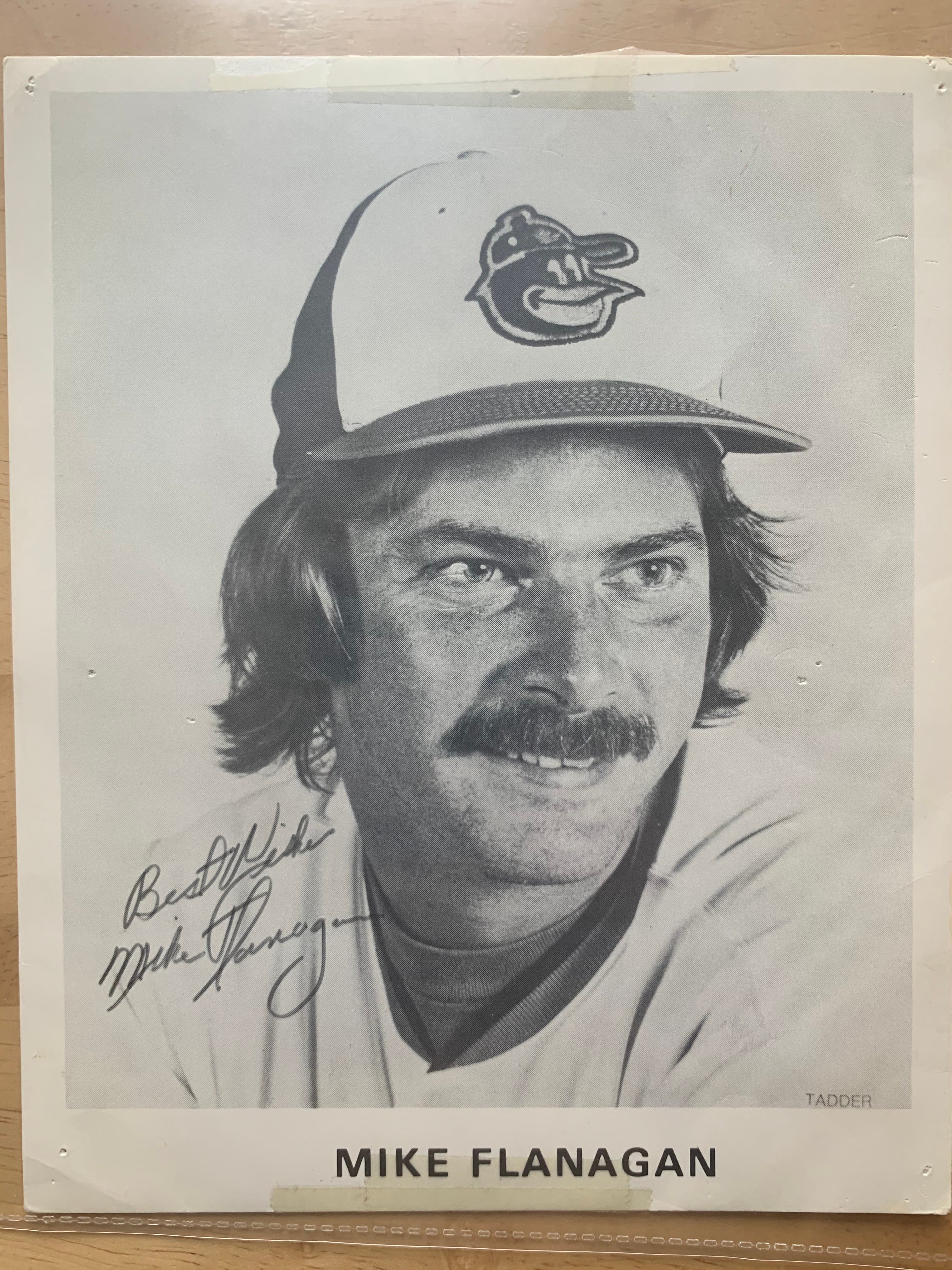
Steve Balboni.
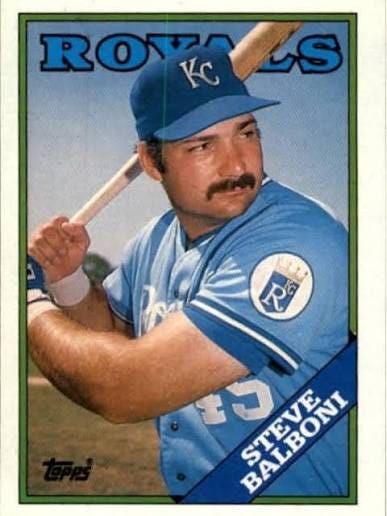
Both had grown up in town.
Both had gone on to become Major League Baseball players.
Years earlier, both had played high school basketball against teams my father coached in the early 1970s.
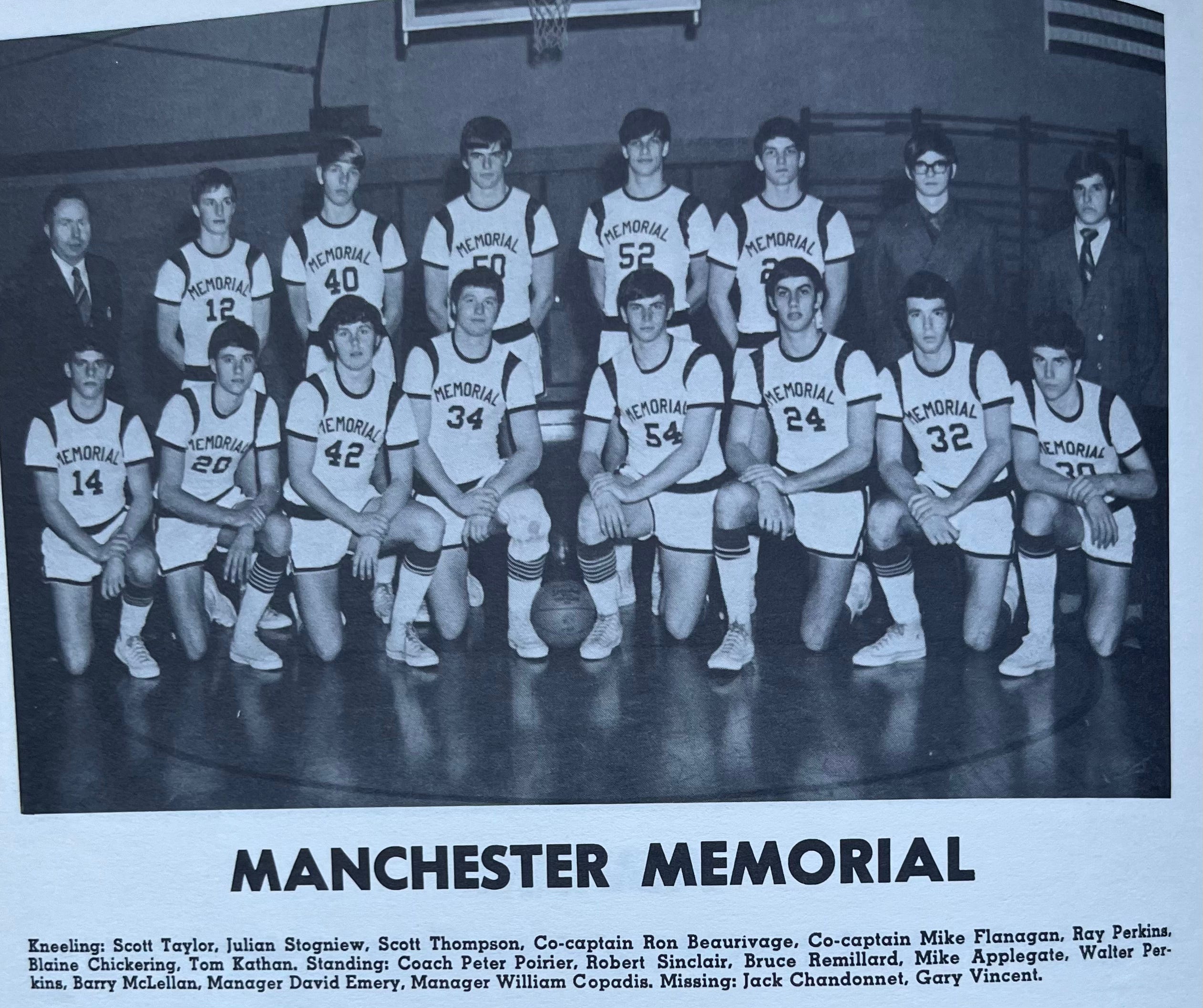
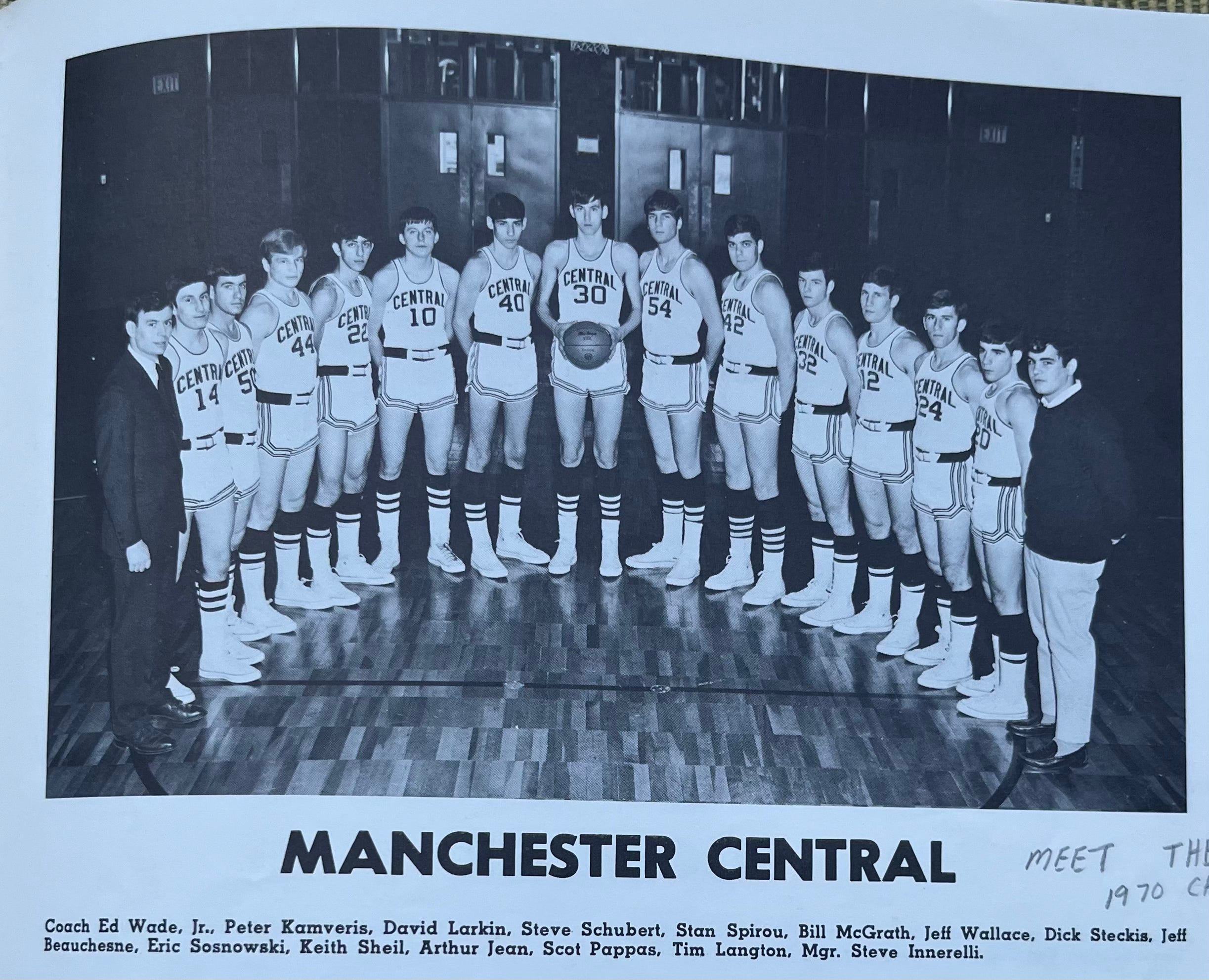
That became my Local Heroes folder.
I sat down with my dad and asked him question after question.
“What were they like?”
“How did they carry themselves?”
“What did people say about them?”
My dad’s memory was unbelievable.
He was like an encyclopedia of Manchester.
The people.
The schools.
The rivalries.
The history.
And the best part was...
I was just as happy that he wanted to help as I was to hear the stories themselves.
Those conversations became some of my favorite moments of the entire writing process.
He told me about the fierce rivalries between schools.
How entire neighborhoods identified with their teams.
How Friday night games sold out, with lines stretching down the block.
A missed shot.
A strikeout.
A championship.
The heartbreak of a tough loss.
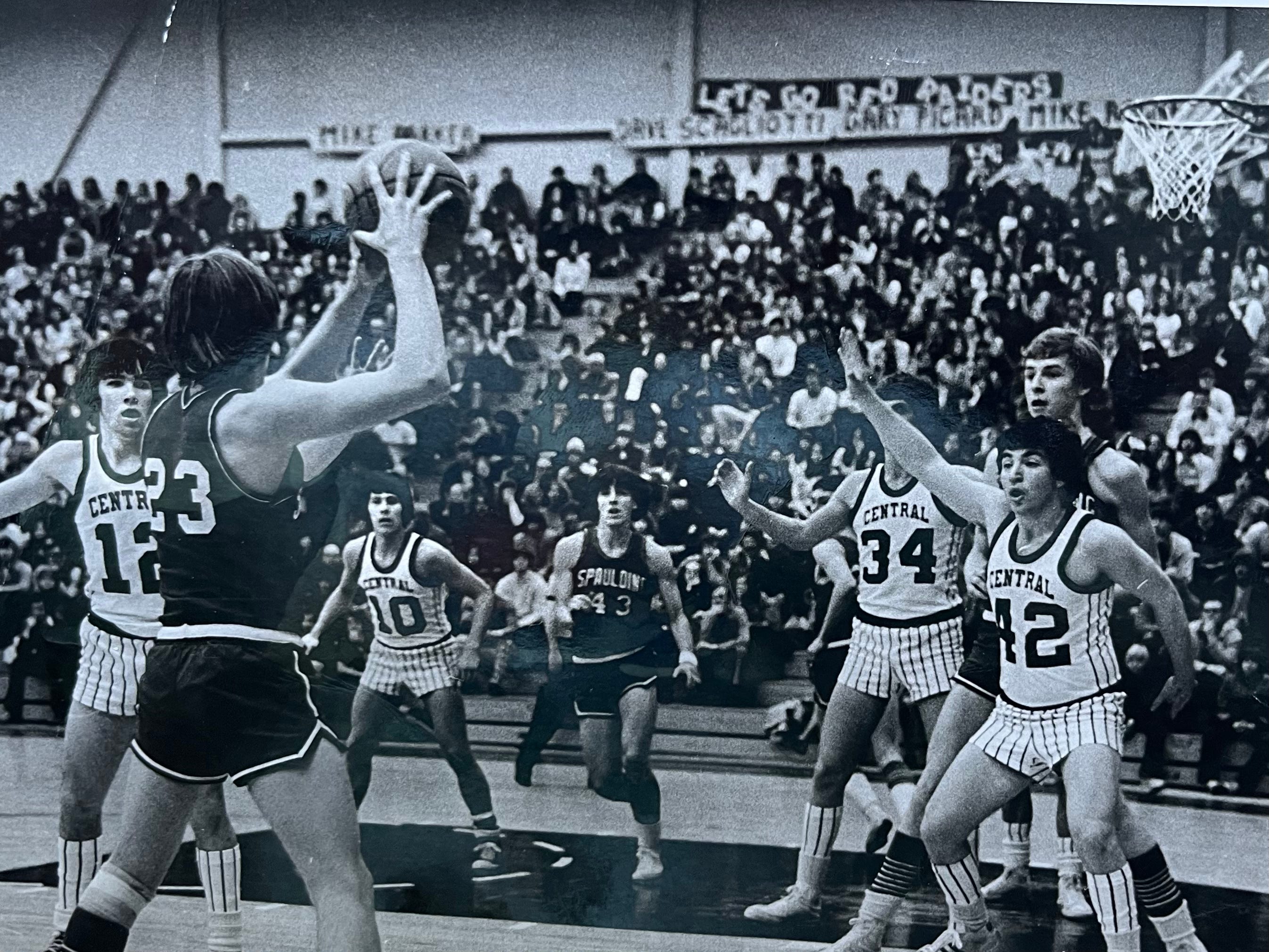
[A team of my father’s playing in front of a sold-out crowd]
One day he laughed and said,
“After that big loss in Durham, I threw a ham sandwich against the wall in our kitchen.”
He also told me about finally winning a state championship after losing in the finals three years in a row. “It was such a thrill.”
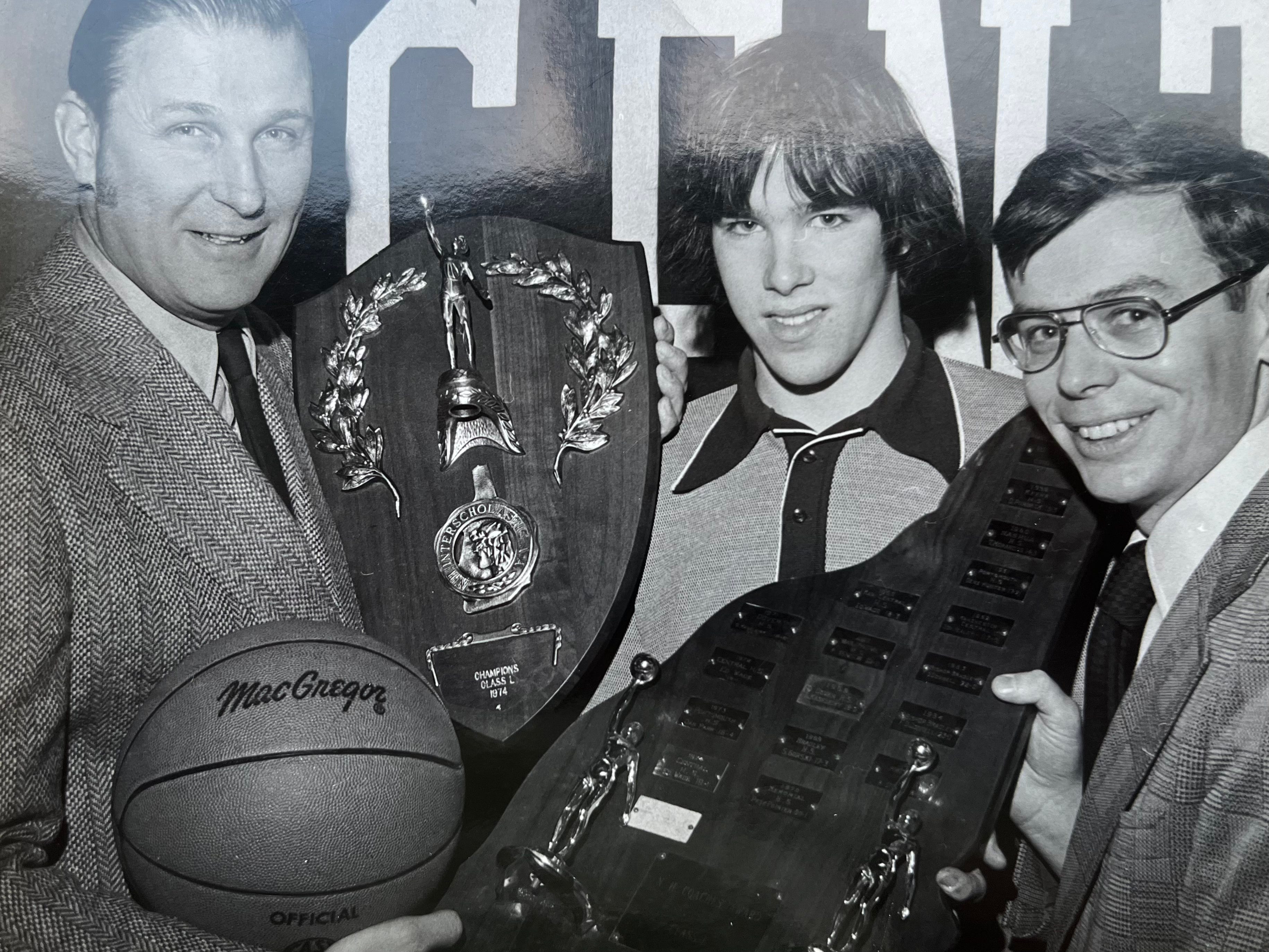
[My dad holding the state title trophy his basketball team won in 1974]
Even decades later, he remembered every detail.
“When I go out to lunch with my old friends, that’s all we talk about,” he’d say.
“It’s like all these things happened yesterday.”
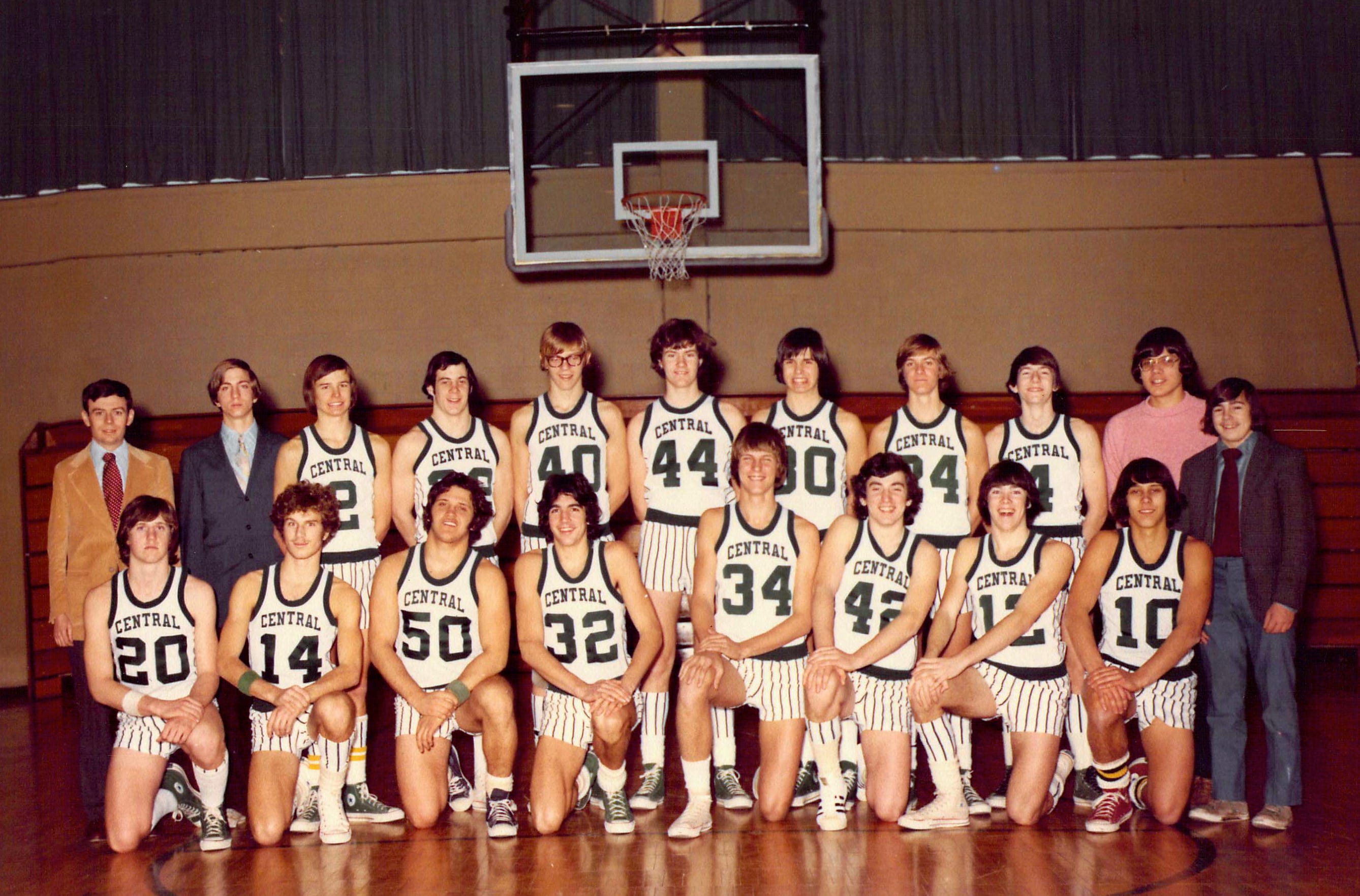
[Manchester Central High School, New Hampshire State Champs 1974]
The games had become part of the town’s identity.
I wasn’t researching sports.
I was researching what it meant to belong to a town.
As he told these stories, something wonderful happened.
His voice changed.
Every follow-up question unlocked another memory.
Another story.
Another character.
It was like watching him climb into a time machine and return to Manchester in the early 1970s.
I wasn’t just researching local sports history.
I was preserving my father’s memories.
Eventually, those stories came to an end.
My dad stepped away from coaching to become the athletic director for the Manchester public schools.
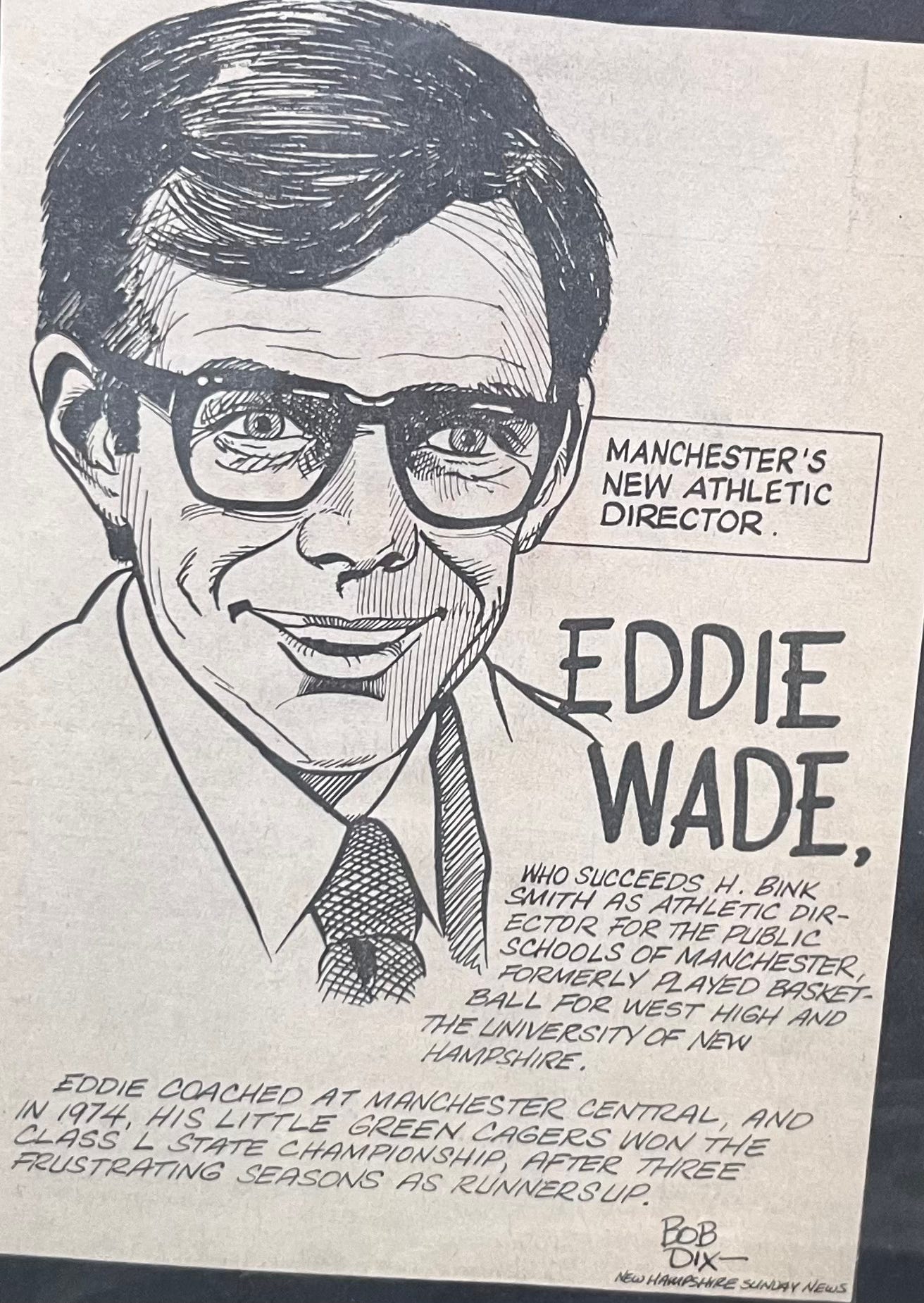
Looking back, I realize I wasn’t just listening to stories about basketball.
I was listening to someone figure out who he was after coaching.
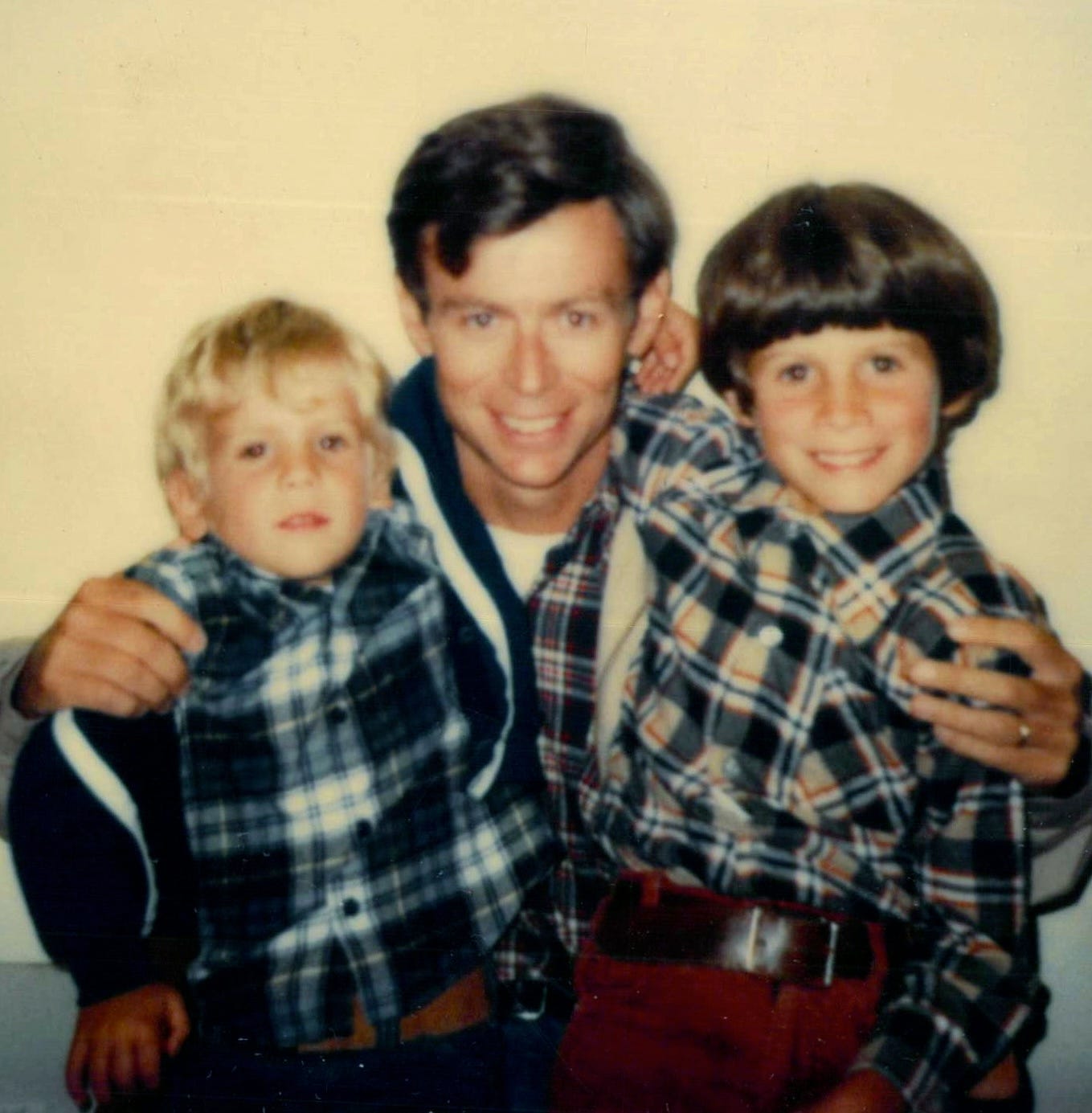
One other story stayed with me.
My dad had coached another local legend, Steve Schubert, who went on to play for the New England Patriots and the Chicago Bears from 1974 to 1979.
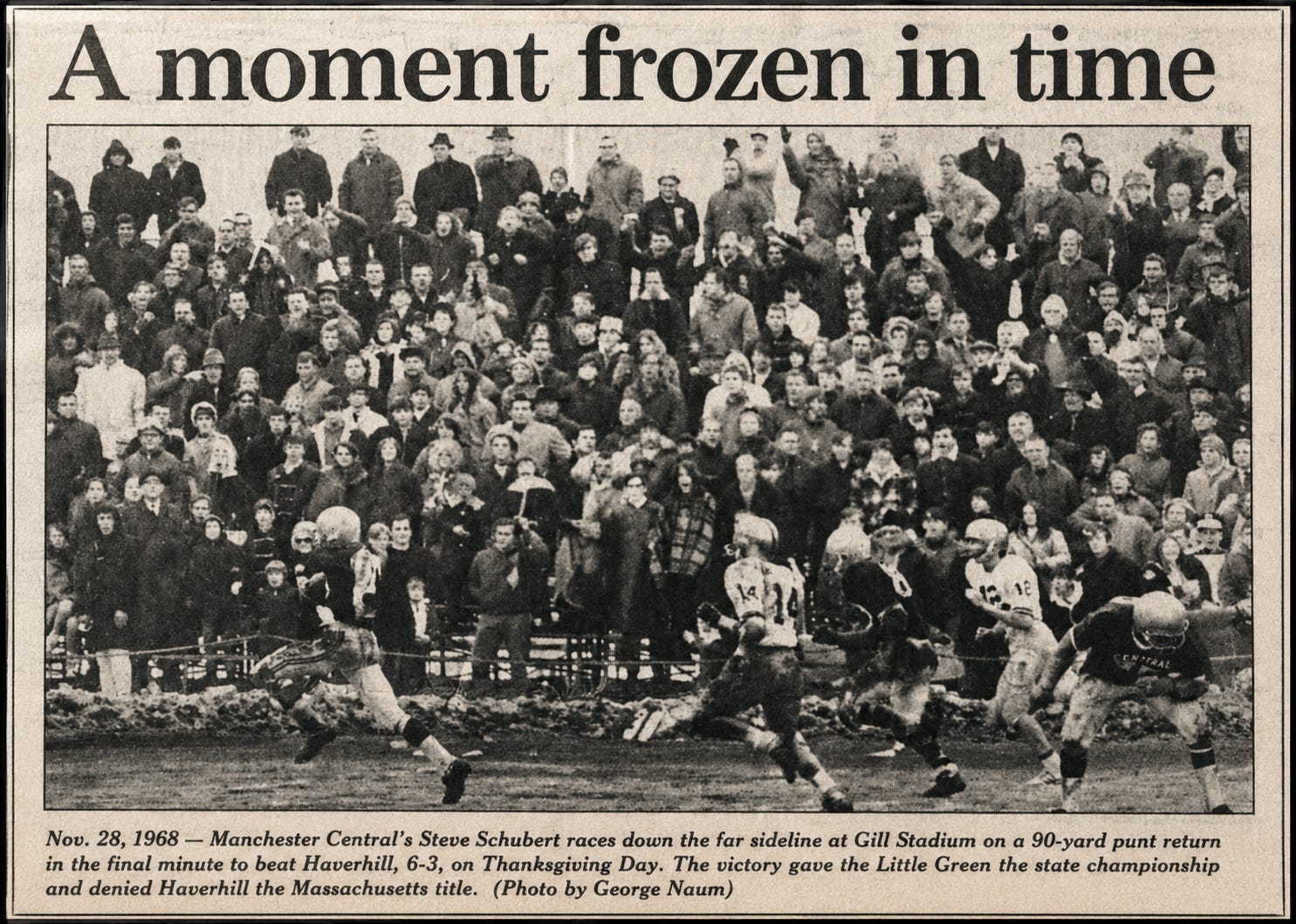
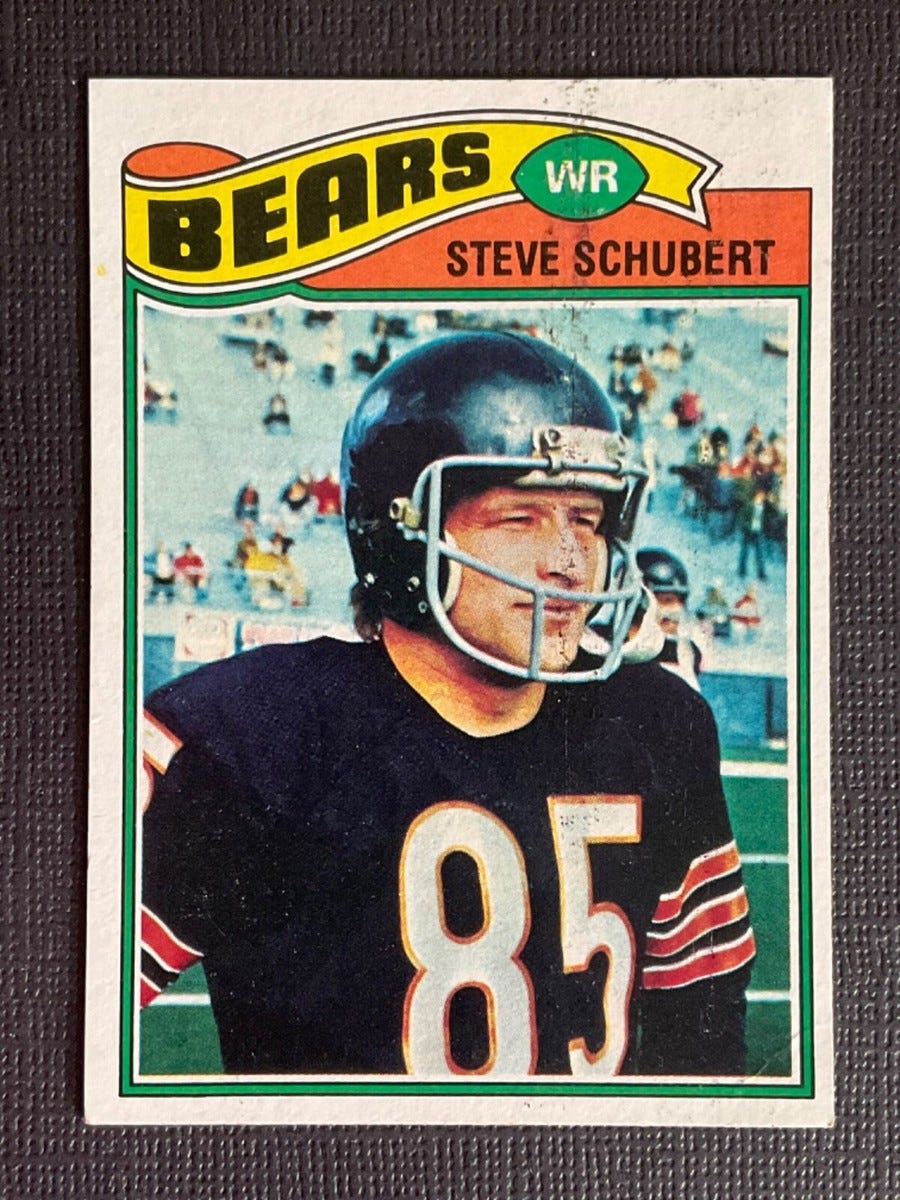
After his football career ended, Steve, who always reminded me of Marlon Brando, came back home to New Hampshire.
Years later, when I was in my late twenties, I was scheduled to have double hernia surgery.
My aunt, who was friends with Steve, mentioned it to him.
Out of the blue, he called me.
He wished me well, gave me a little pep talk before the operation, and told me everything was going to be okay.
It was such a simple, genuine act of kindness.
I’ve never forgotten it.
Then I started thinking about another place that had shaped me just as much...
The Puritan Back Room
This quickly became one of my largest folders.
The Puritan Back Room was my first real job, a busboy.
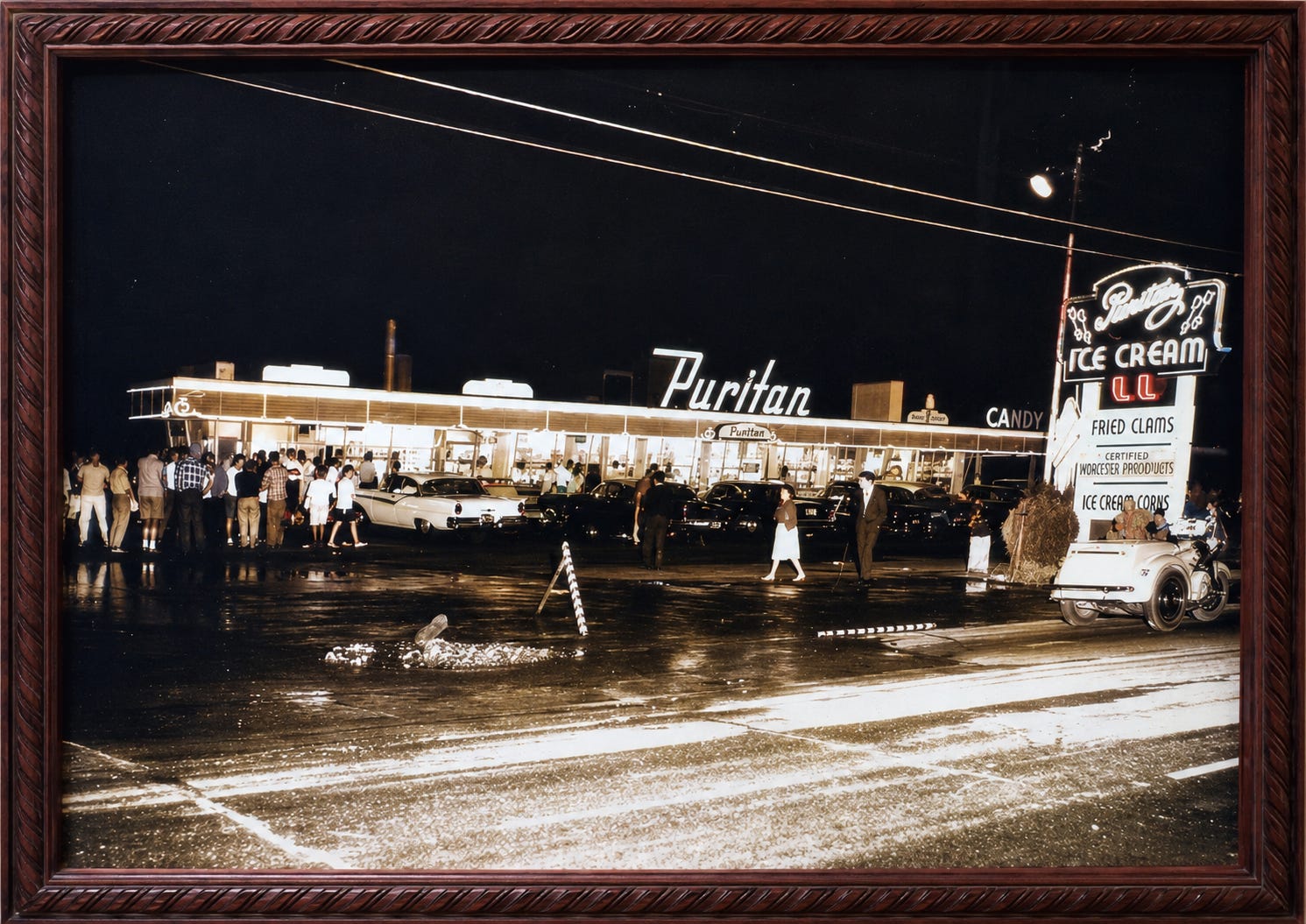
[When the Puritan first opened on Hooksett Road, 1969]
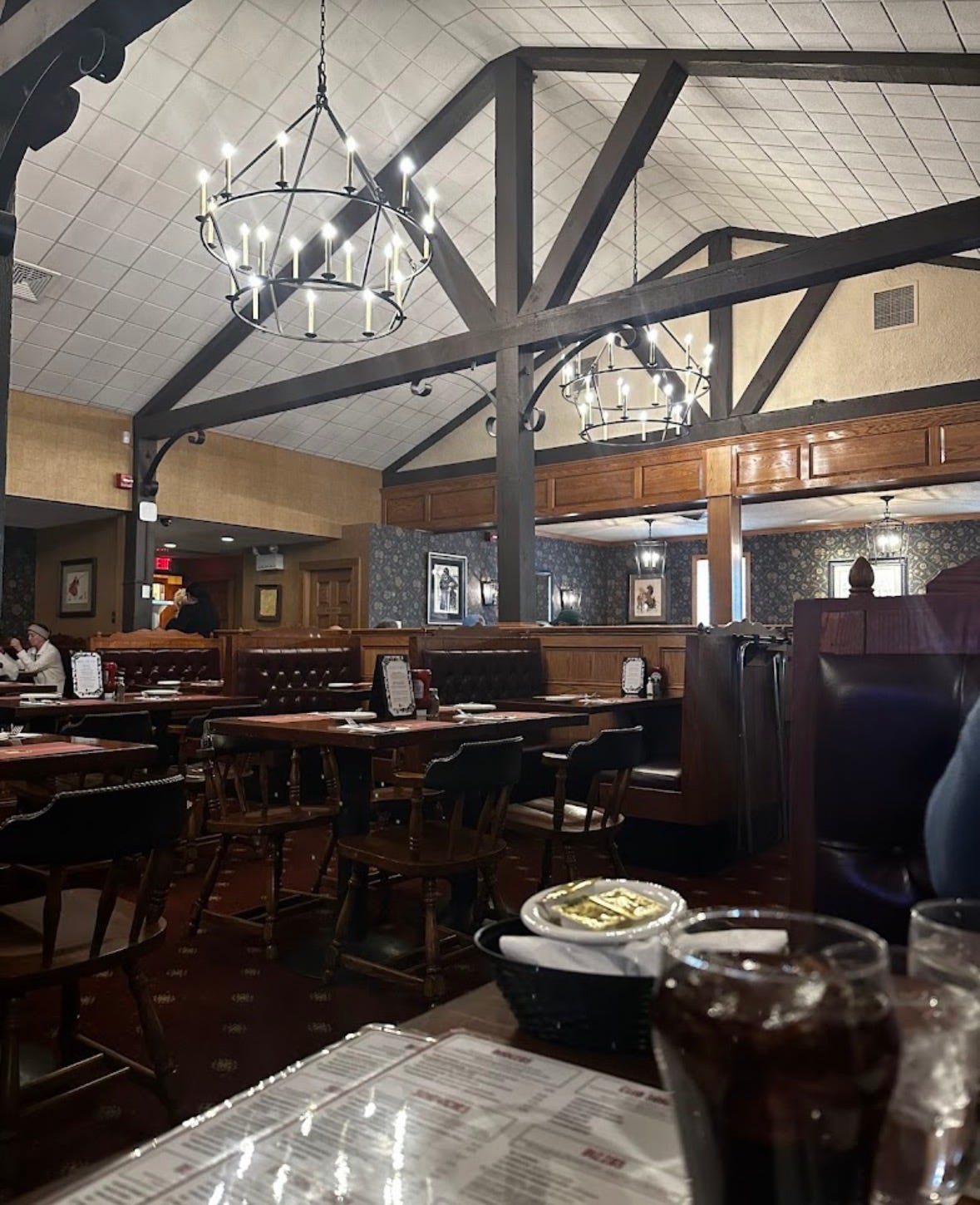
[The Puritan Back Room today]
I was fifteen years old.
Walking through those doors for my first shift felt like stepping into an entirely different universe.
The smell hit me immediately.
Burgers and steaks sizzling on the grill.
Coffee brewing.
The constant hum of conversations and the controlled chaos of the kitchen.
In the back of the kitchen was a giant ice machine with a beat-up boombox on top, always tuned to Rock 101.
I was making five dollars an hour.
When I received my first paycheck, I couldn’t wait to take it to the bank.
After cashing the check, I carefully folded the bills and tucked them into my navy blue Velcro wallet.
I can’t explain why, but that moment made me feel like an adult.
The restaurant became much more than a place where I earned money.
At school, I was still the awkward kid trying to find my place.
At the restaurant, I was part of a team.
Everyone mattered.
For the first time, I mattered, too.
Without realizing it, I was getting a front-row seat to how communities work.
And then there were the owners.
Three very different personalities.
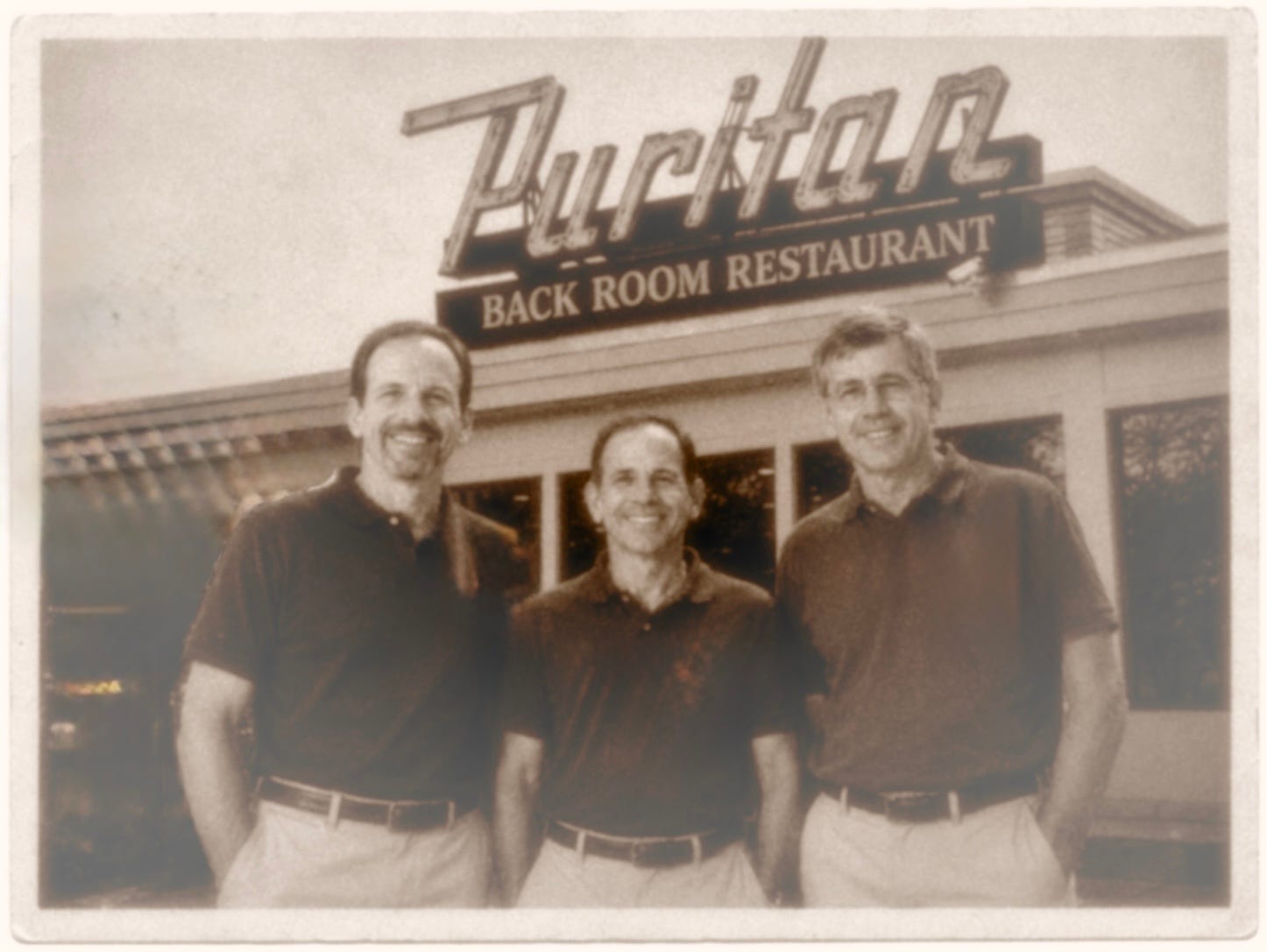
Andy had been a popular local radio personality. Back in sixth grade, I’d call into his sports talk show. A few years later, I was working for him.
Arthur was the workhorse. His grandfather had been one of the original owners, and Arthur carried that legacy with quiet pride. We loved talking about the Red Sox.
Then there was Chucky.
He was the personality.
Always laughing.
Always talking to customers.
Always making people feel welcome.
We shared a mutual love of Frampton Comes Alive!
Each of them led differently, but they all cared deeply about the restaurant—and about the people who worked there.
The restaurant wasn’t simply a business.
It was an extension of the family.
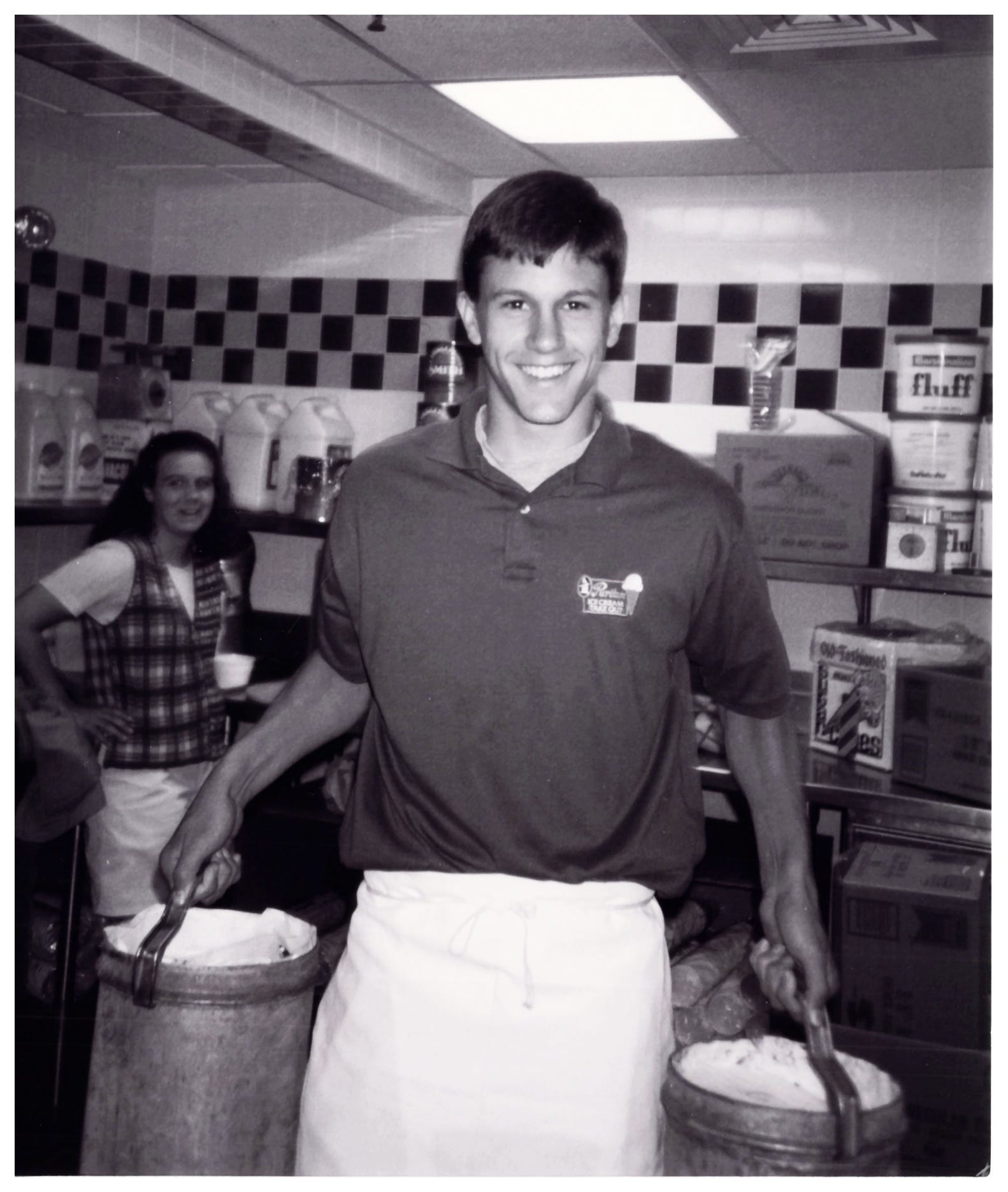
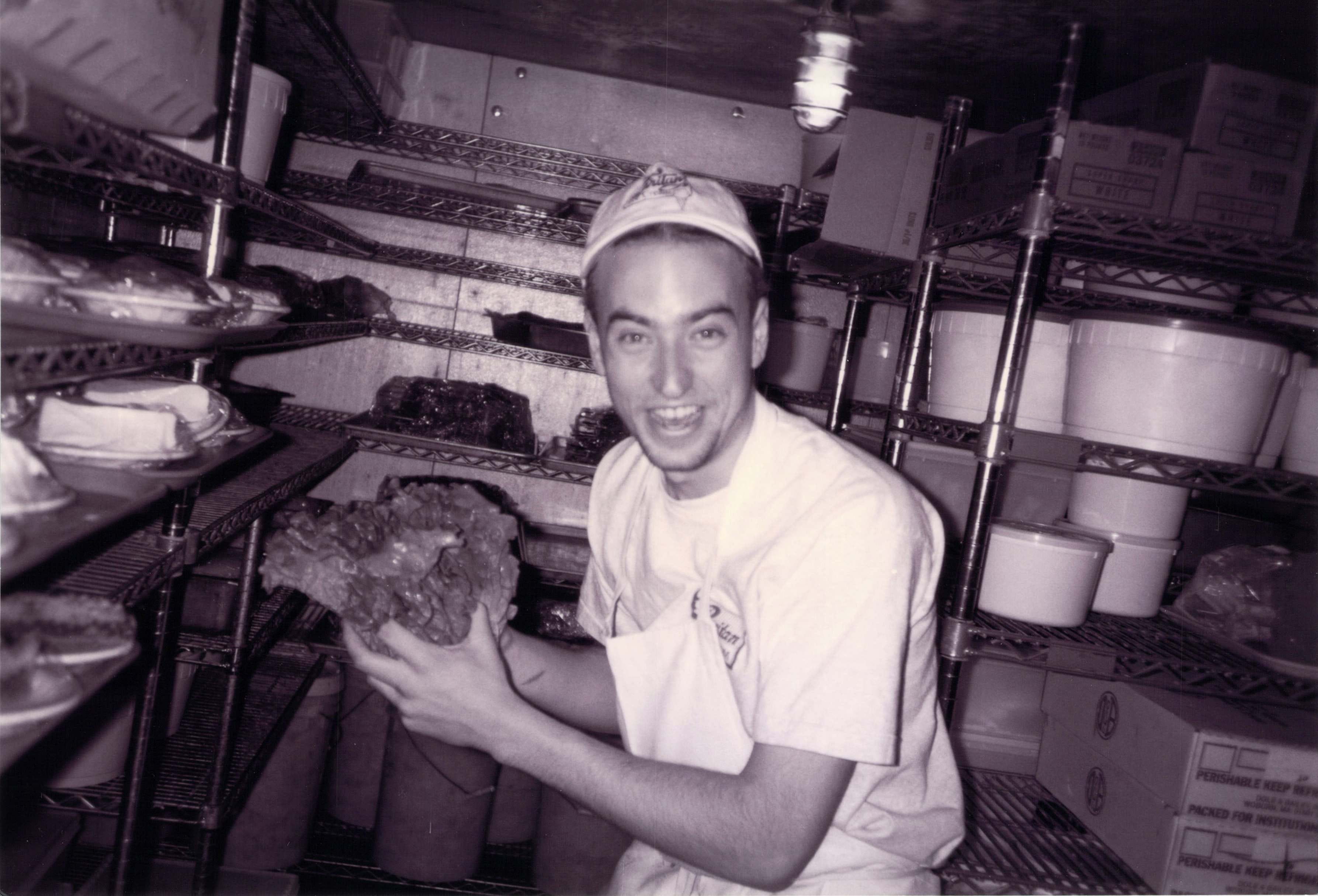
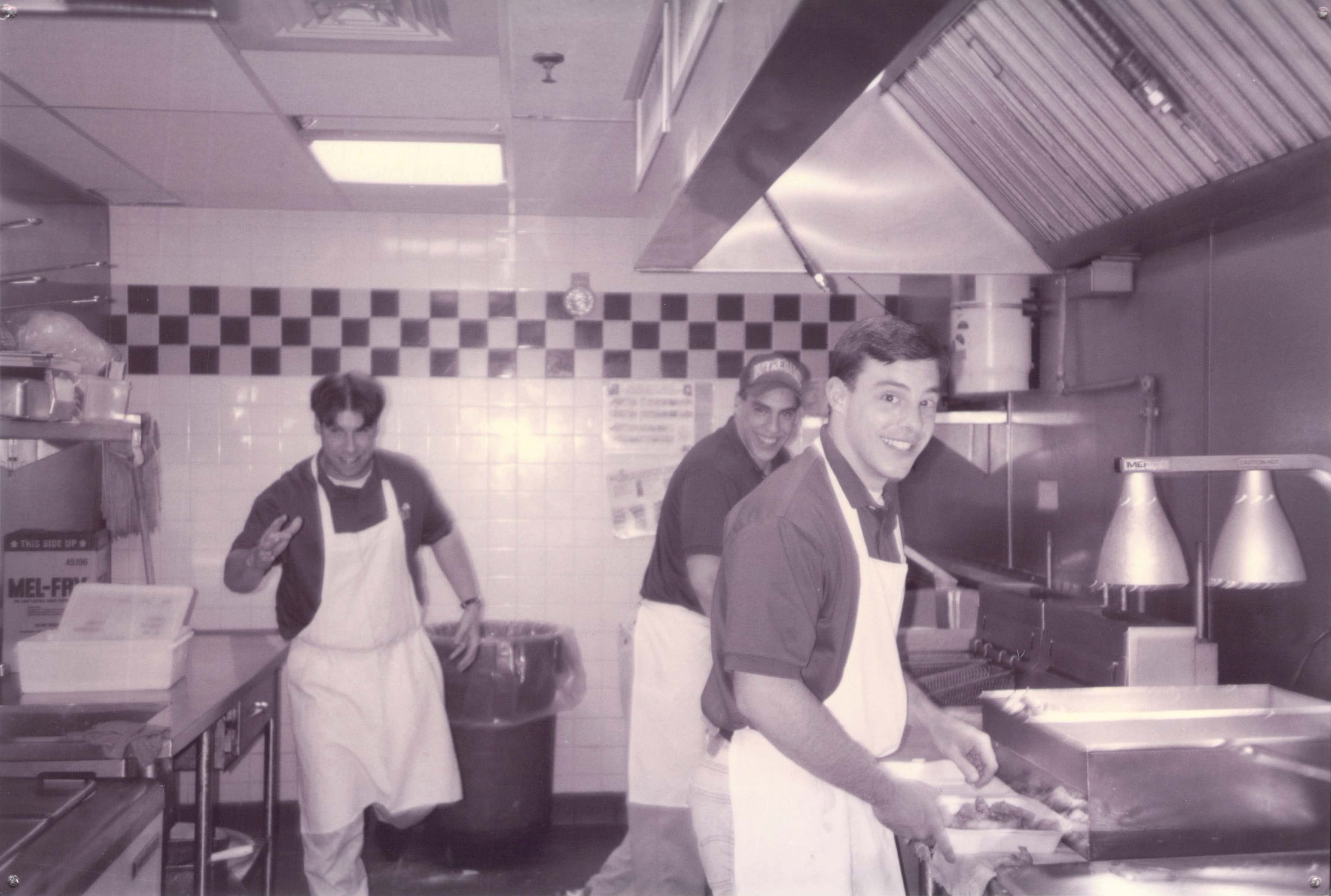
People looked after one another, especially when times were tough.
Every Thanksgiving, each employee went home with a turkey.
Every Christmas, they’d throw a huge employee celebration.
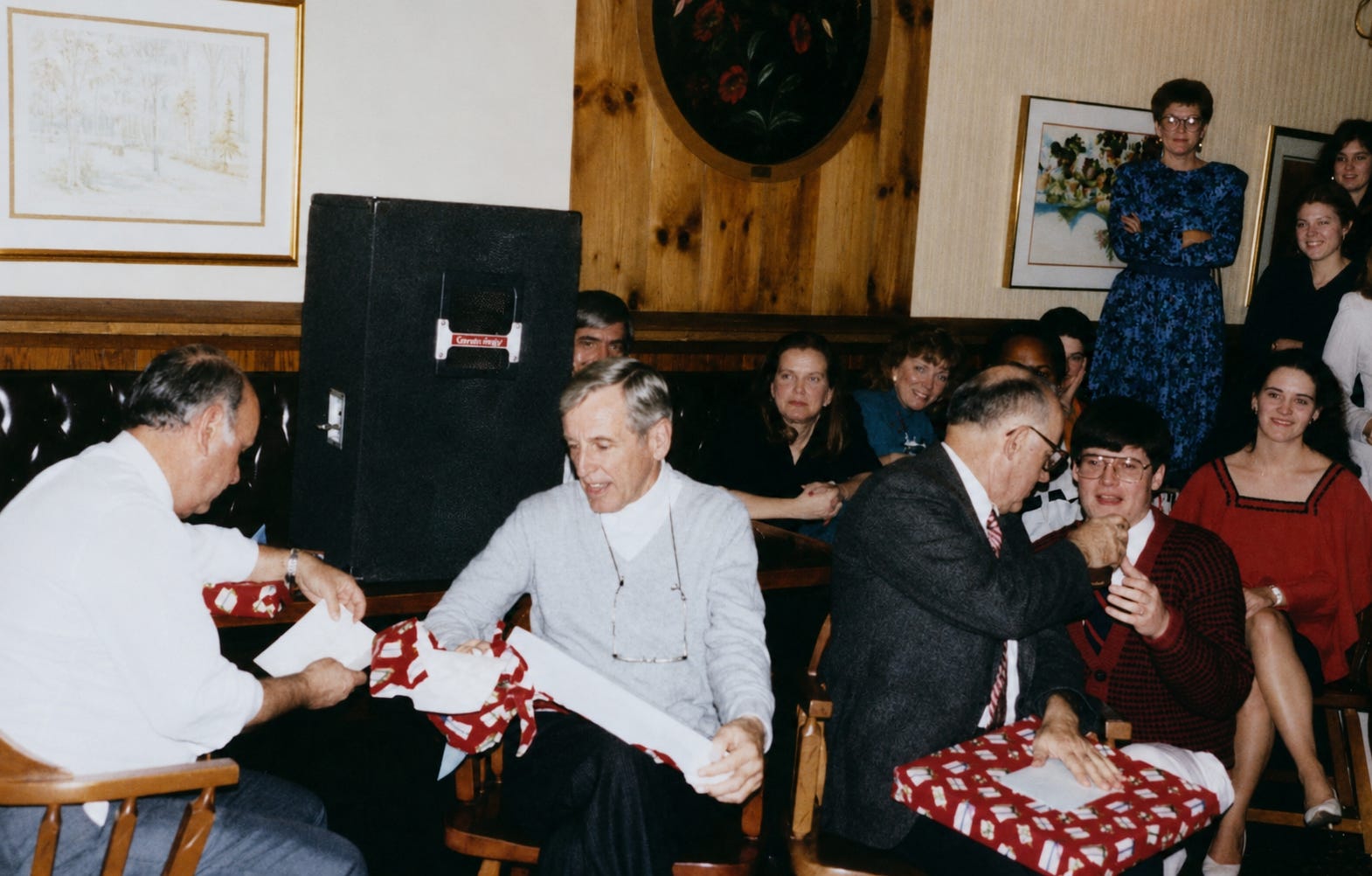
[Puritan Back Room Employee Christmas Party mid-1980s]
As a fifteen-year-old, those gestures left a lasting impression on me.
The more I thought about it, I realized the Puritan wasn’t unique.
Many of my favorite restaurants growing up were owned by Greek families: the Pappas family (Ron and Scott) at Pappy’s Pizza, the Vorias family at Chelby’s, and the Zotis family at Woodside.
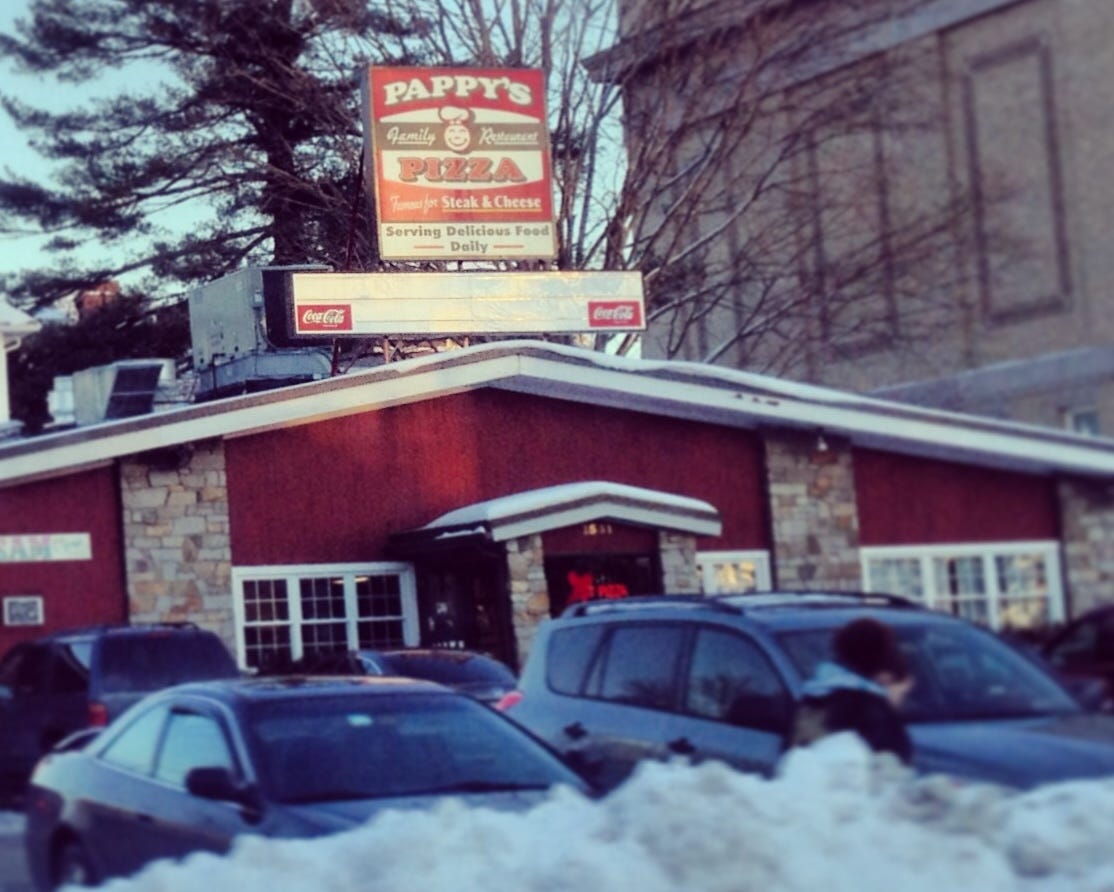

Each restaurant had its own personality.
But they all shared the same values.
Hard work.
Generosity.
Hospitality.
Community.
Eventually, they found their way into the play.
Muses
Later came the Muses folder.
I poured my heart into this one.
It wasn’t really about crushes.
It was about muses.
At fifteen, I was surrounded by people who fascinated me.
The waitresses, who were so confident and comfortable in their own skin.
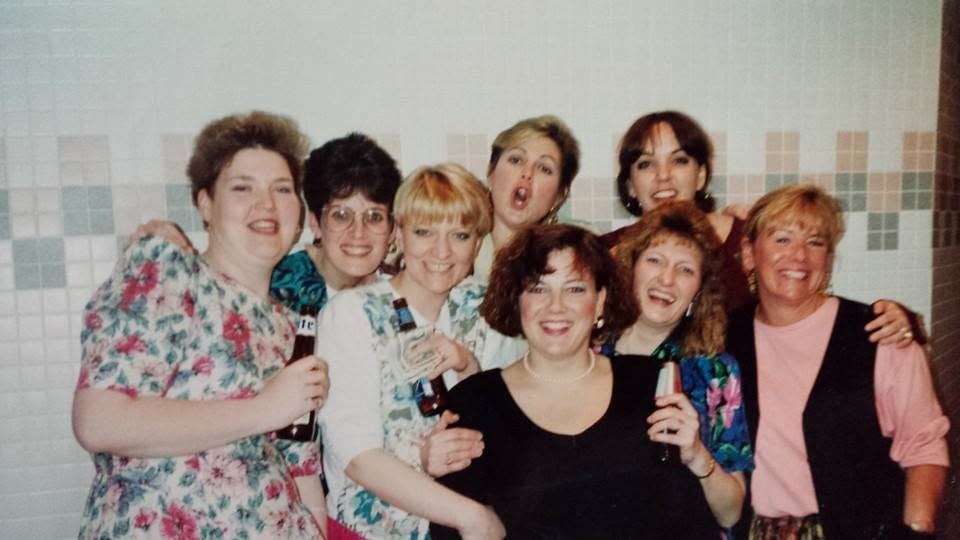
[Some of the incredible Puritan Back Room waitresses]
The hostesses who were a few years older than I was.
College students.
Young adults.
To me, they all represented a world I hadn’t reached yet.
Then there were the girls my own age who scooped ice cream in the take-out section of the restaurant.
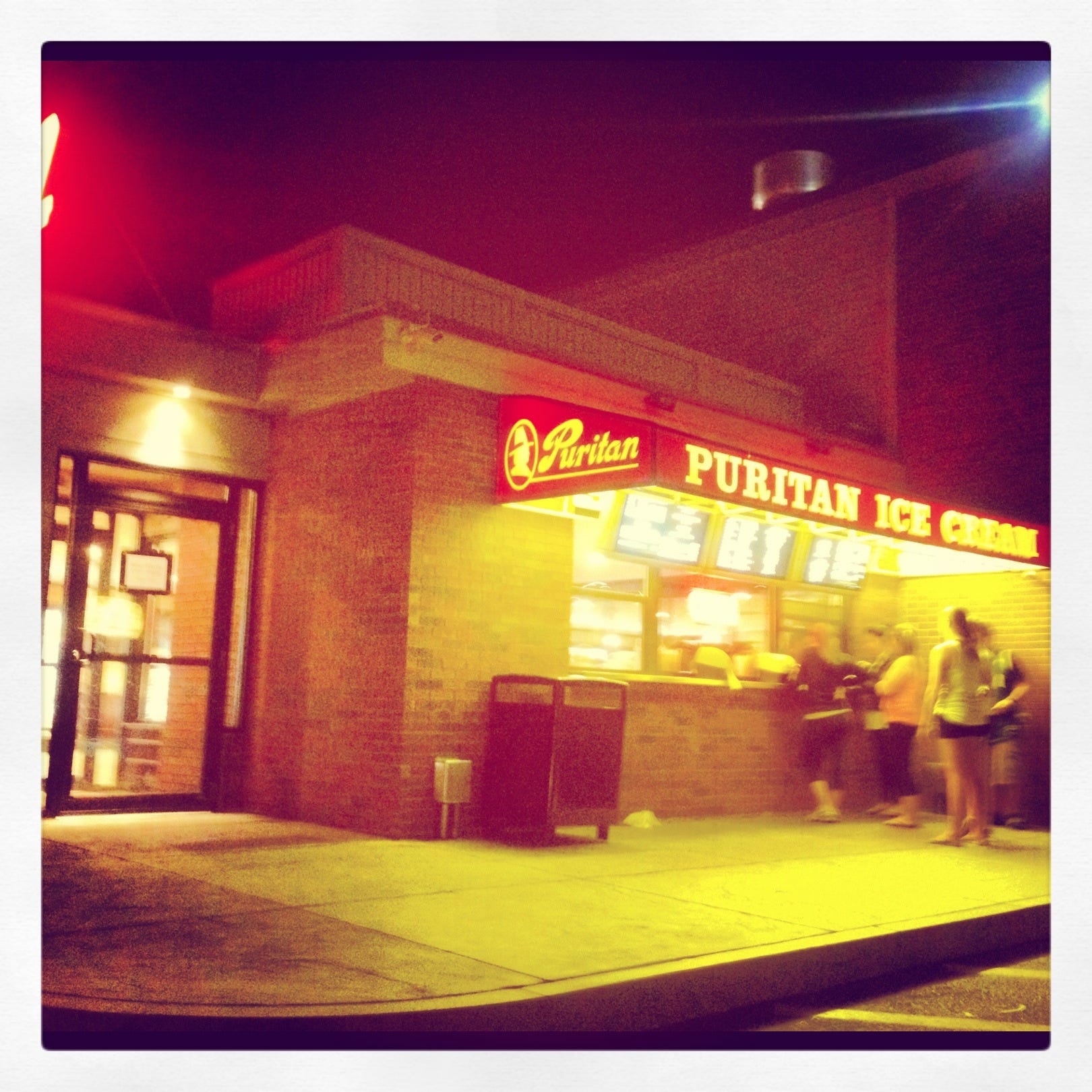
I wasn’t just writing about who I had crushes on.
I was trying to understand people.
Those experiences eventually became the emotional foundation for the Susie character.
Not because Susie is based on one person.
She isn’t.
She’s made up of small pieces of many people who drifted through my life during those years.
The World Around Me
The more I wrote, the more I realized I wasn’t just collecting memories.
I was collecting Manchester itself.
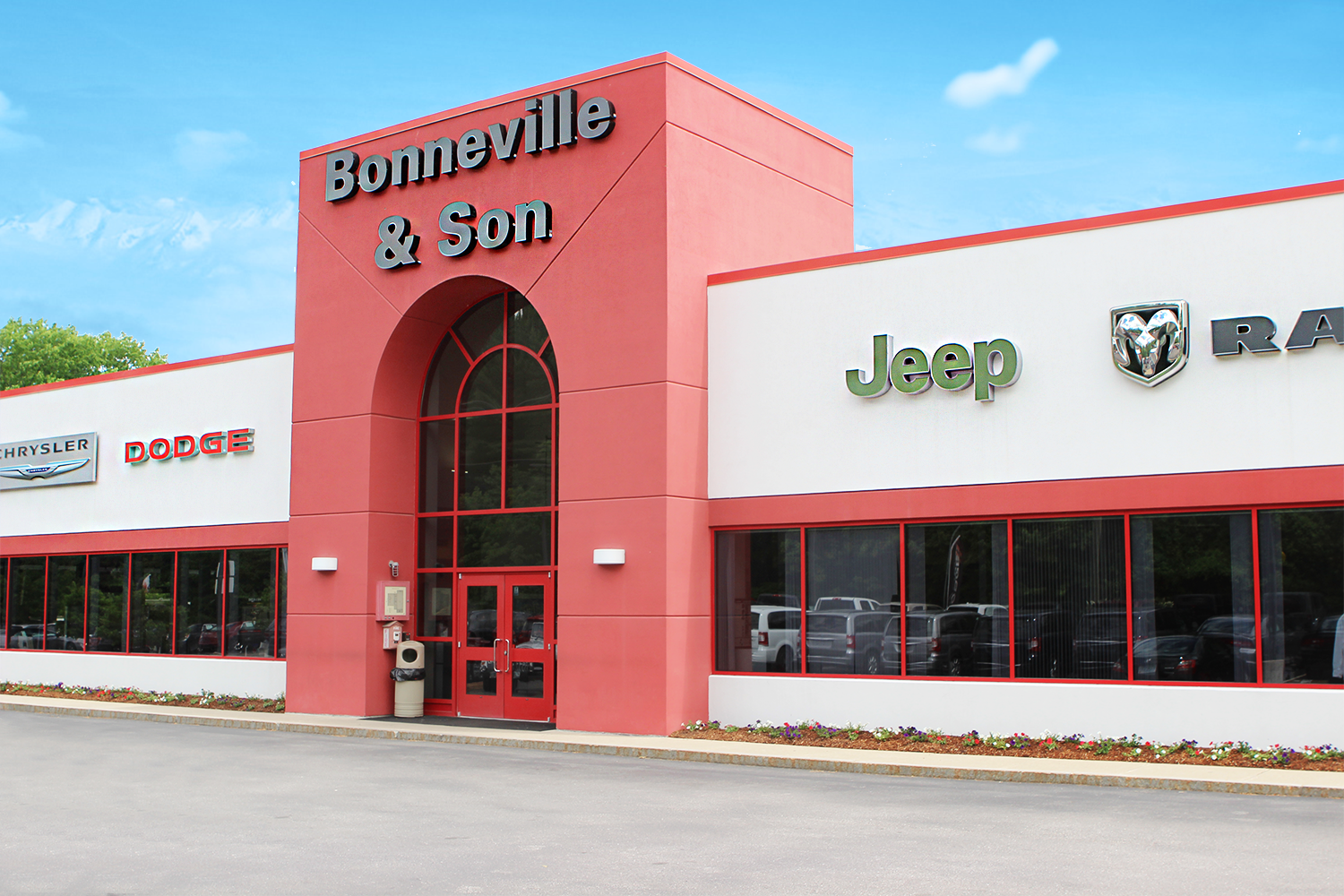
There was Bonneville & Son, where a larger-than-life Greek salesman became something of a local celebrity through his radio promos on WKBR 1250 AM.
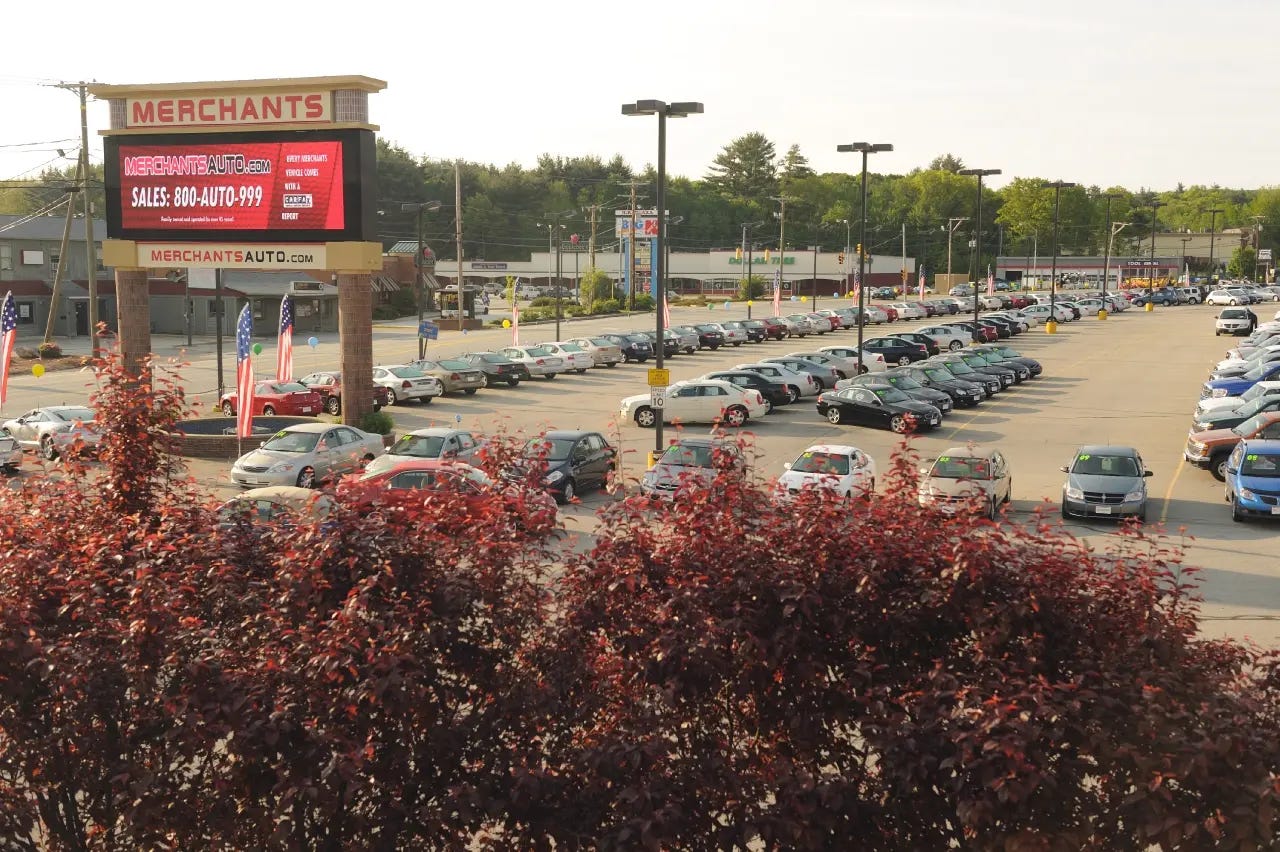
Merchant Motors, which started in Manchester, seemed to sponsor everything like high school sports, Little League, and local college athletics. Their enormous sign overlooked a parking lot that always seemed full of cars.
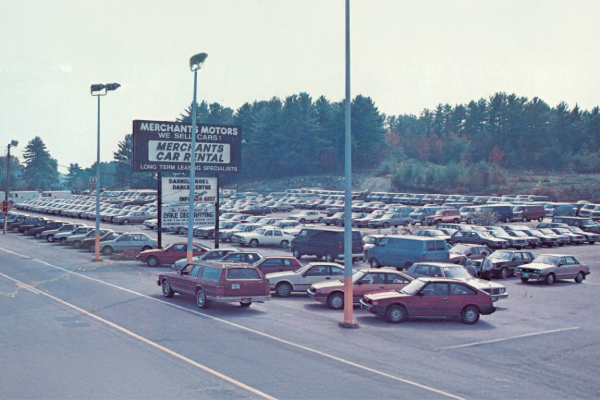
Those places weren’t just businesses.
They were part of the area’s identity.
Along with the diners.
The neighborhoods.
The people.
It was all becoming one world.
Dreams
For all the affection I had for my hometown, I was also dreaming about leaving it.
There was one final folder.
It simply said:
Dreams.
It was the most personal folder of all.
Growing up in Manchester, I spent a lot of time imagining what life somewhere else might look like.
At fifteen, “making it” meant fame, fortune, and getting out.
I dreamed about New York City.
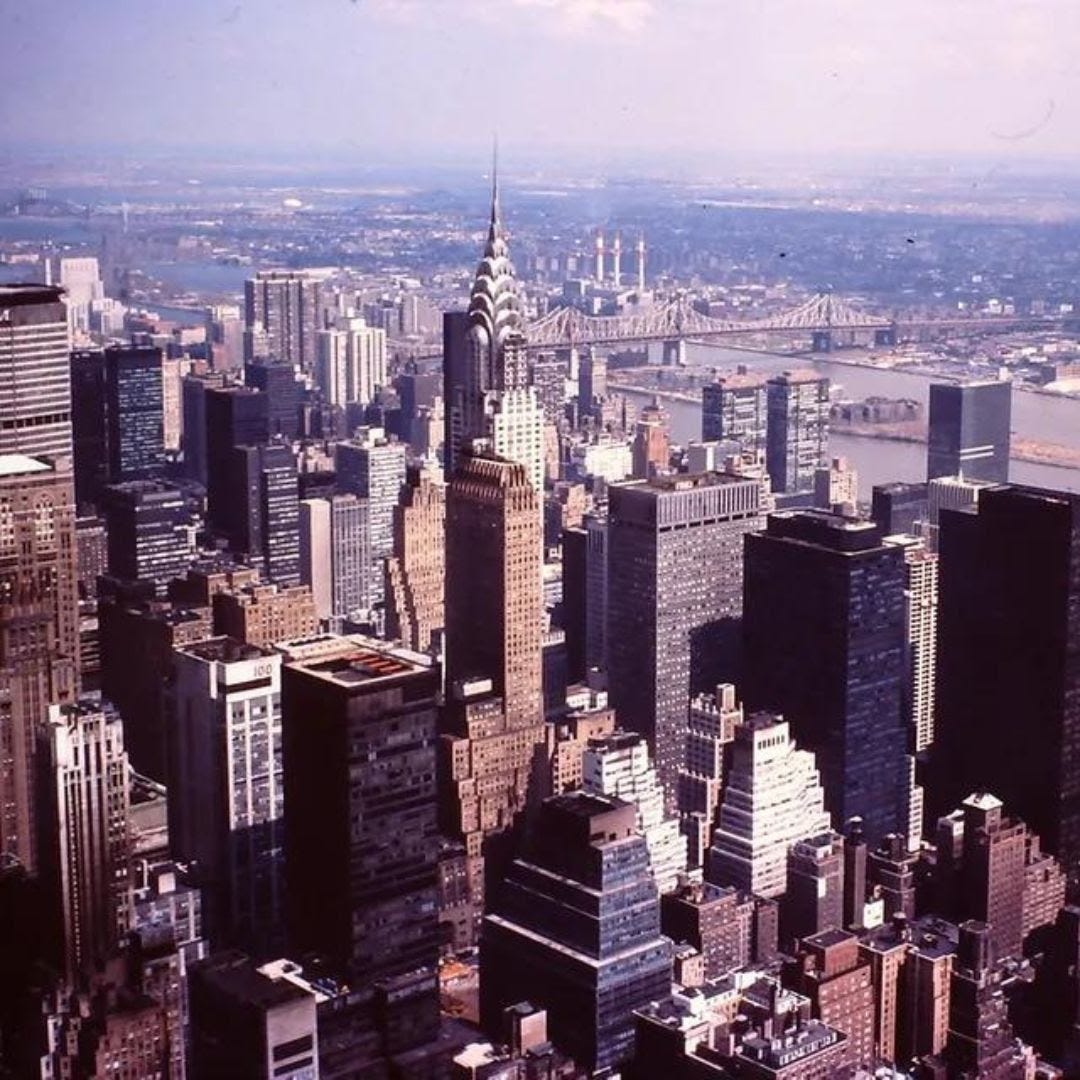
Radio. Television. Film. Performing.
Anything that felt bigger than the world I knew.
But leaving wasn’t as simple as packing a suitcase.
It meant leaving behind family.
Friends. Teachers. Mentors.
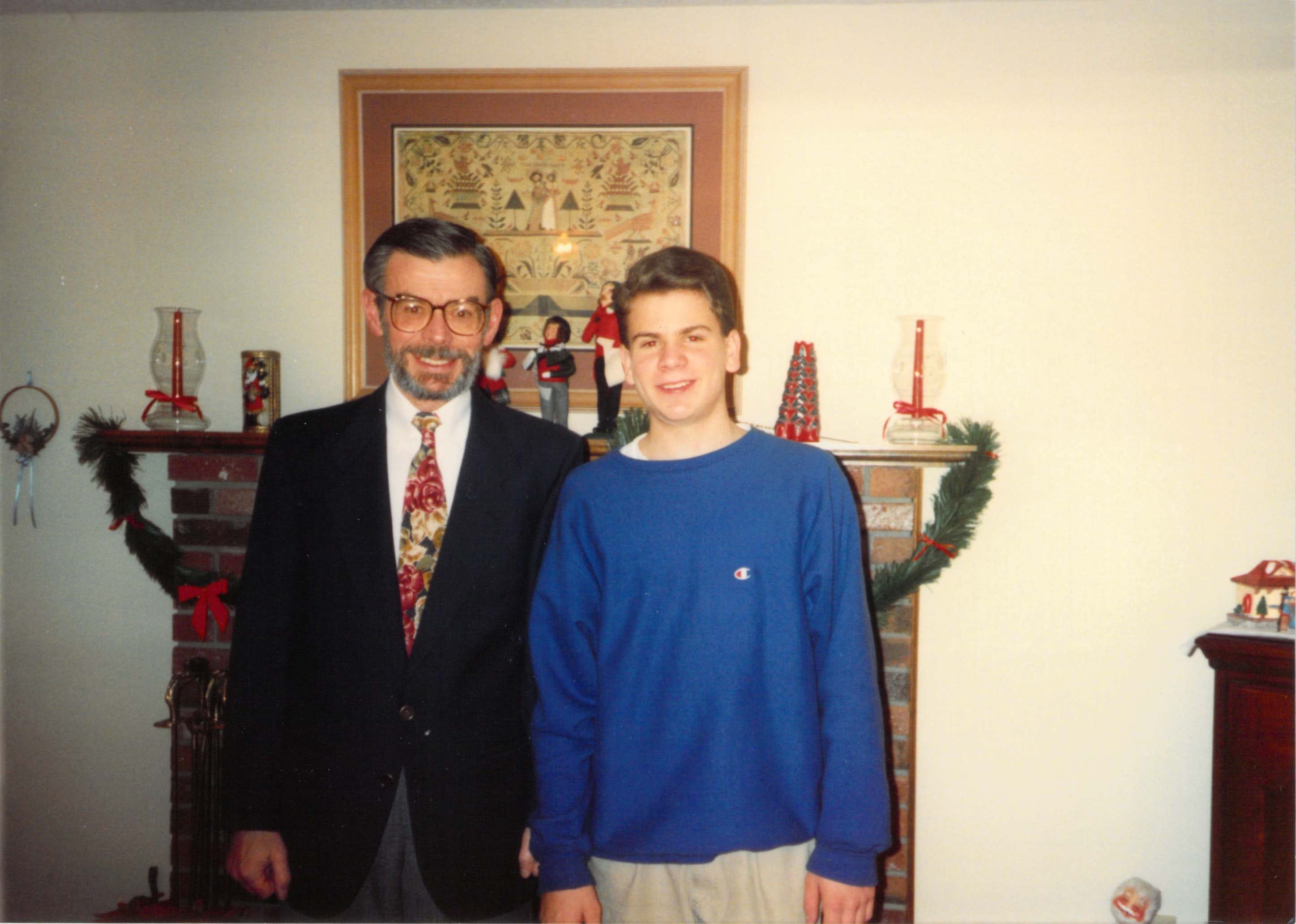
[Christmas Eve with my dad]
The people who believed in me.
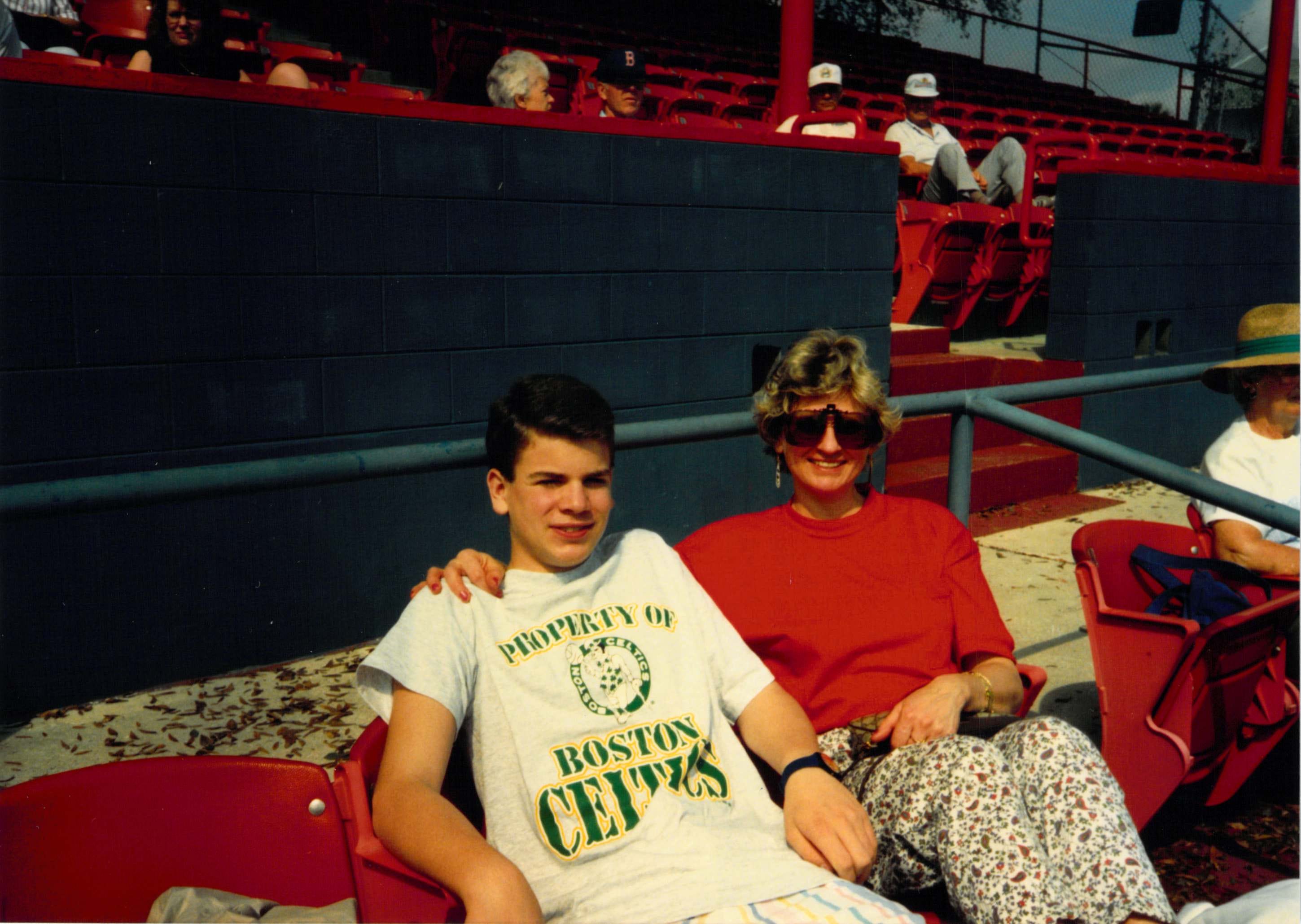
[Red Sox Spring Training with my mom]
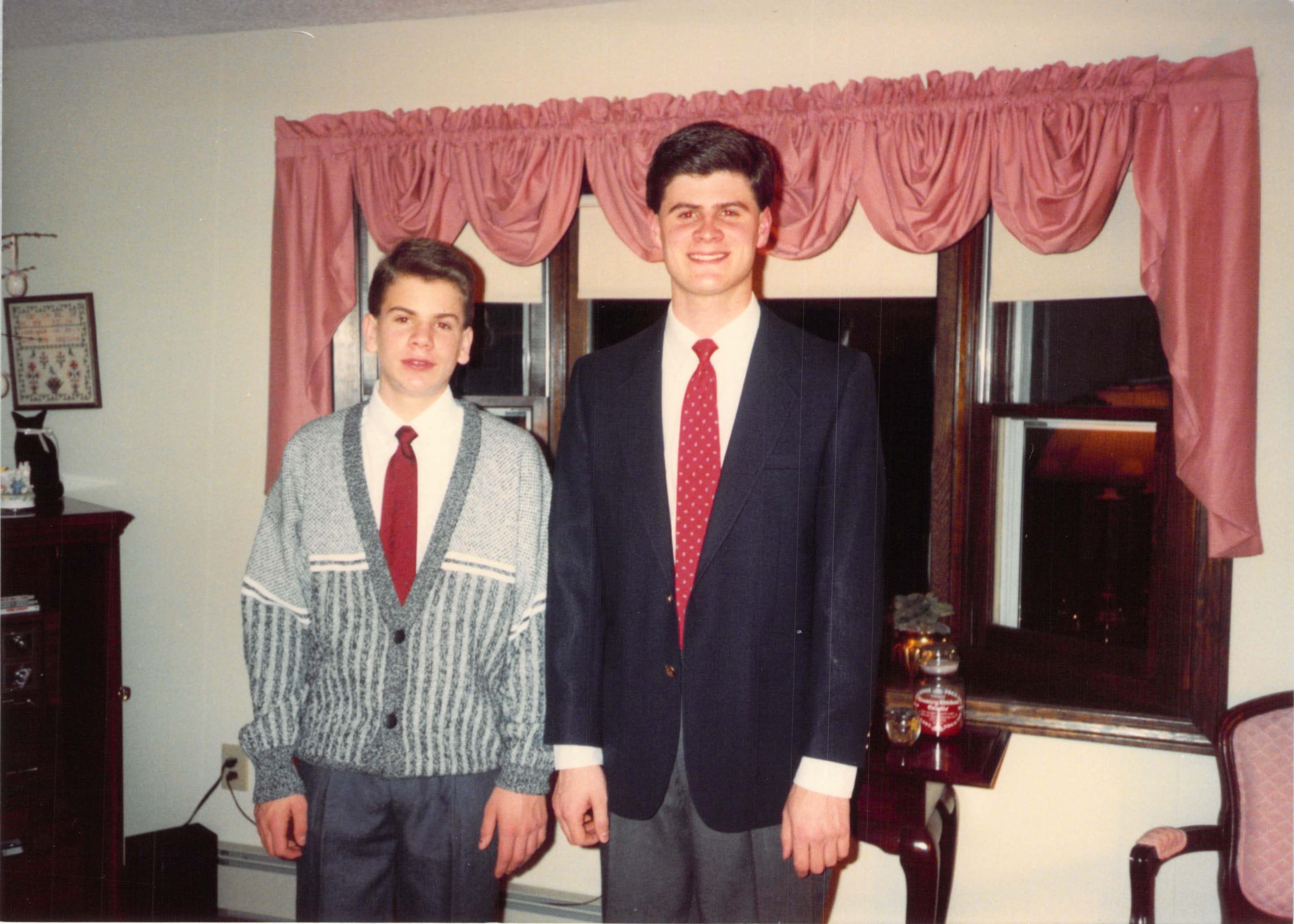
[Sharp-dressed men. With my brother, Matt]
As I got older, I realized something.
The people who leave carry their hometown with them.
And the people who stay carry a different kind of courage.
Years later, I realized that tension had quietly become one of the central questions of My New Hampshire Diner.
Who stays.
Who leaves.
And what each choice costs.
When the Pieces Connected
By this point, I had a drawer full of folders.
But I still didn’t have a play.
But I had spent several years collecting pieces of one.
Then something happened that finally brought them all together.
My former Magnet Theater storytelling student, Beth, posted a photo on Instagram.
She had finished writing her first play.
I was inspired.
I remember asking myself one simple question:
“Could I do that, too?”
The last time I had written a play was in fifth grade, in Mr. Clow’s class at Webster Elementary School.
Back in 1987.
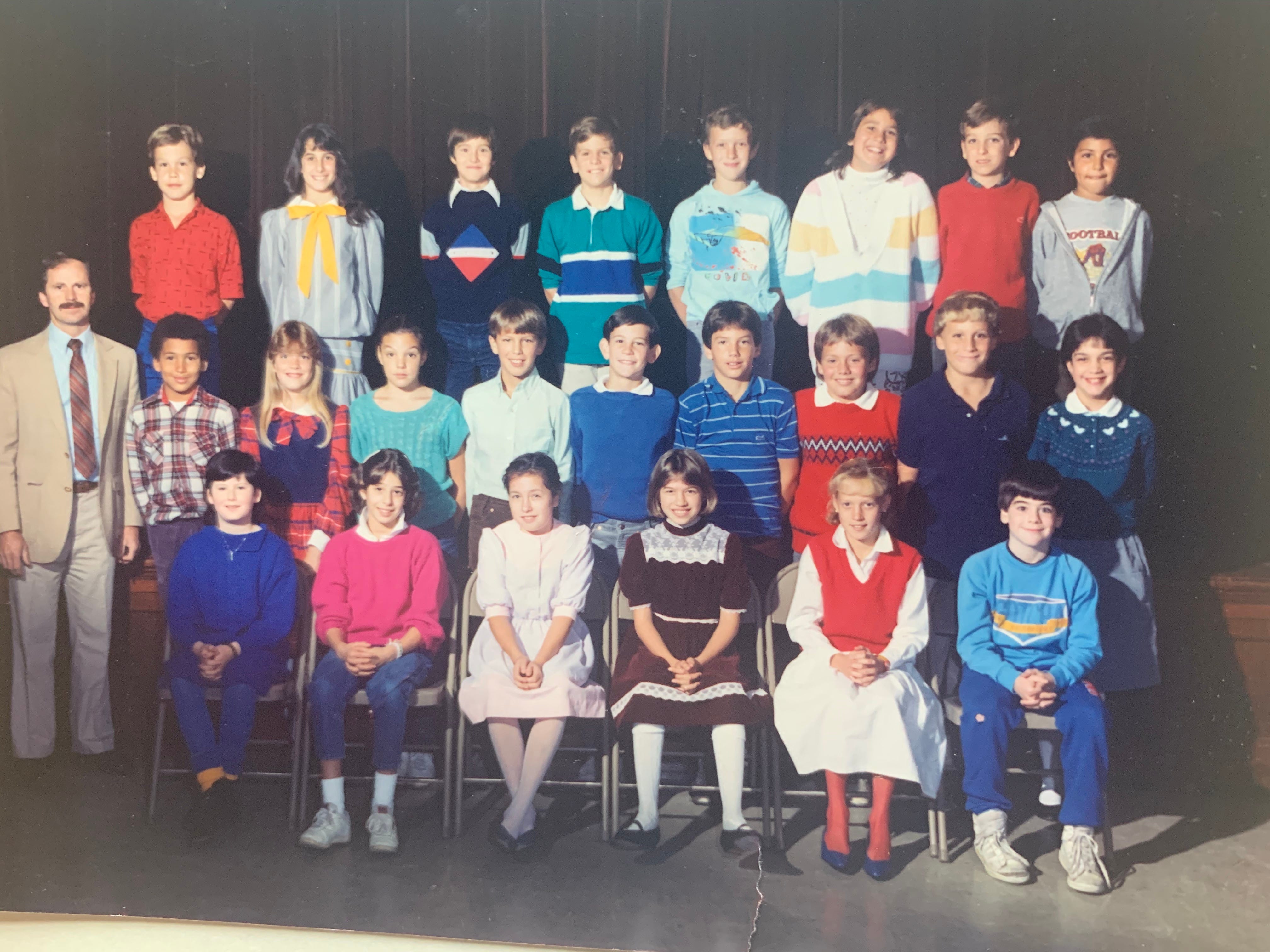
[Mr. Clow’s fifth-grade class, Webster Elementary School, 1987]
We were assigned a group project.
Each group created papier-mâché puppets and then wrote a play for them.
Our play was called The Rematch of the Super Fight, inspired by the famous Marvin Hagler–Sugar Ray Leonard boxing match.
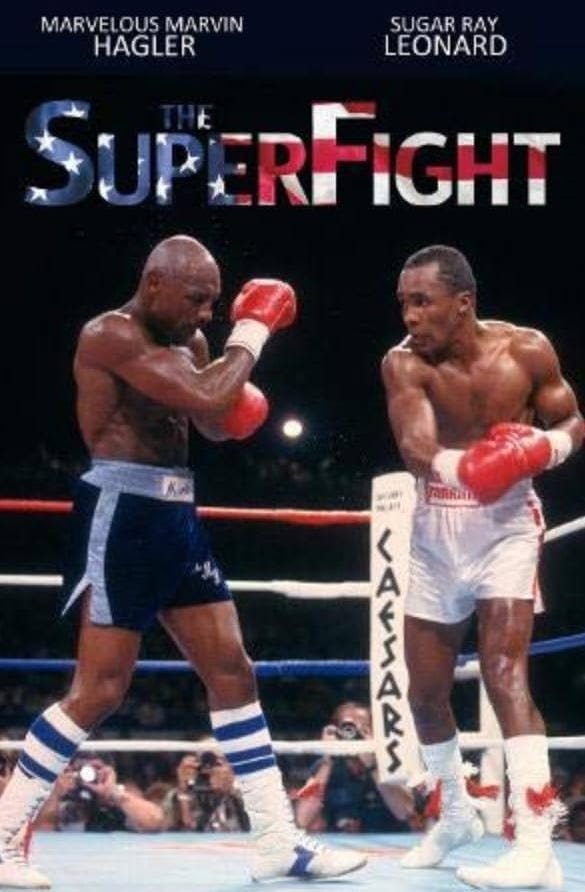
It’s one of my favorite childhood memories.
And yes, the last time I wrote a play.
I had never seriously considered writing another one.
Screenplays? Absolutely.
Television scripts? Sure.
But plays...
Plays felt like something other people wrote.
In college, I concentrated on film production while earning my communications degree.
I took a few theater classes, but I never imagined becoming a playwright.
It simply didn’t feel like my lane.
Then I saw Beth’s post.
It hit me harder than I expected.
Here was someone I knew who was talented and creative.
Someone who had actually done it.
I sent her a congratulatory message.
She thanked me and told me about a book that had helped her through the process:
The 90-Day Play.
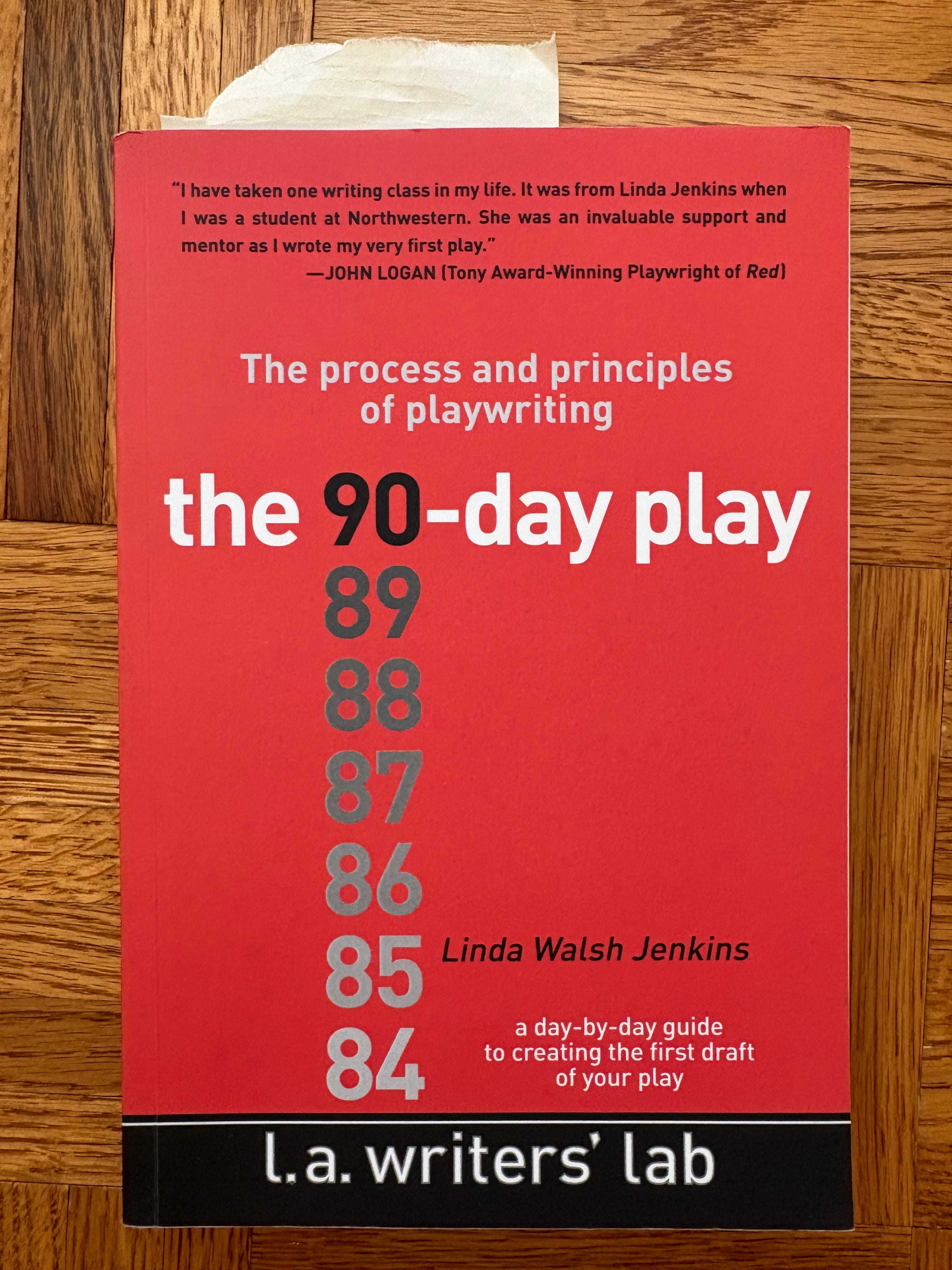
Commuting into New York City that night to teach one of my storytelling classes, I couldn’t stop thinking about Beth’s post.
Maybe I could write a play.
Somewhere between Jersey City and Manhattan, that thought quietly changed.
You’re going to write a play.
I just didn’t know what it was going to be about.
That night, when I got home, I ordered The 90-Day Play.
Two days later it arrived.
I grabbed a brand-new composition notebook and got to work.
Next, I pulled out the folders I’d been quietly building.
As I worked through the exercises in The 90-Day Play, something unexpected happened.
Those folders stopped feeling like separate ideas.
Suddenly, everything I’d been stockpiling over time began talking to one another.
The diners needed people.
The people needed the town.
The town needed its local legends.
And all of it needed one place where those lives could intersect.
A diner.
That’s when it finally clicked.
This wasn’t a screenplay.
It wasn’t a television pilot.
It was a play.
Yes! I could actually see it.
Once I knew the setting, the people started showing up.
I thought about starting my job at the Puritan Backroom back in the summer of 1991.
Fifteen-year-old me trying to figure out who I was while getting my first real glimpse into the adult world.
Slowly, everything began narrowing itself down to three central characters.
As I kept writing, the people I’d been thinking about for years began separating themselves from one another.
The busboy.
The diner owner.
The waitress.
Those three characters eventually became Adam, George, and Susie.
Adam, based largely on me.
George, inspired by several bosses, and a little bit of my father.
And Susie, from several of my first loves growing up.
Still thinking about that fifth-grade puppet play, I added a major local sporting event and imagined how its aftermath might ripple through the lives of everyone in this New Hampshire town.
One of the biggest lessons I learned during this process was the difference between an idea and a project.
An idea is exciting.
A project requires commitment.
So I kept writing.
And writing.
I carried my notebook everywhere.
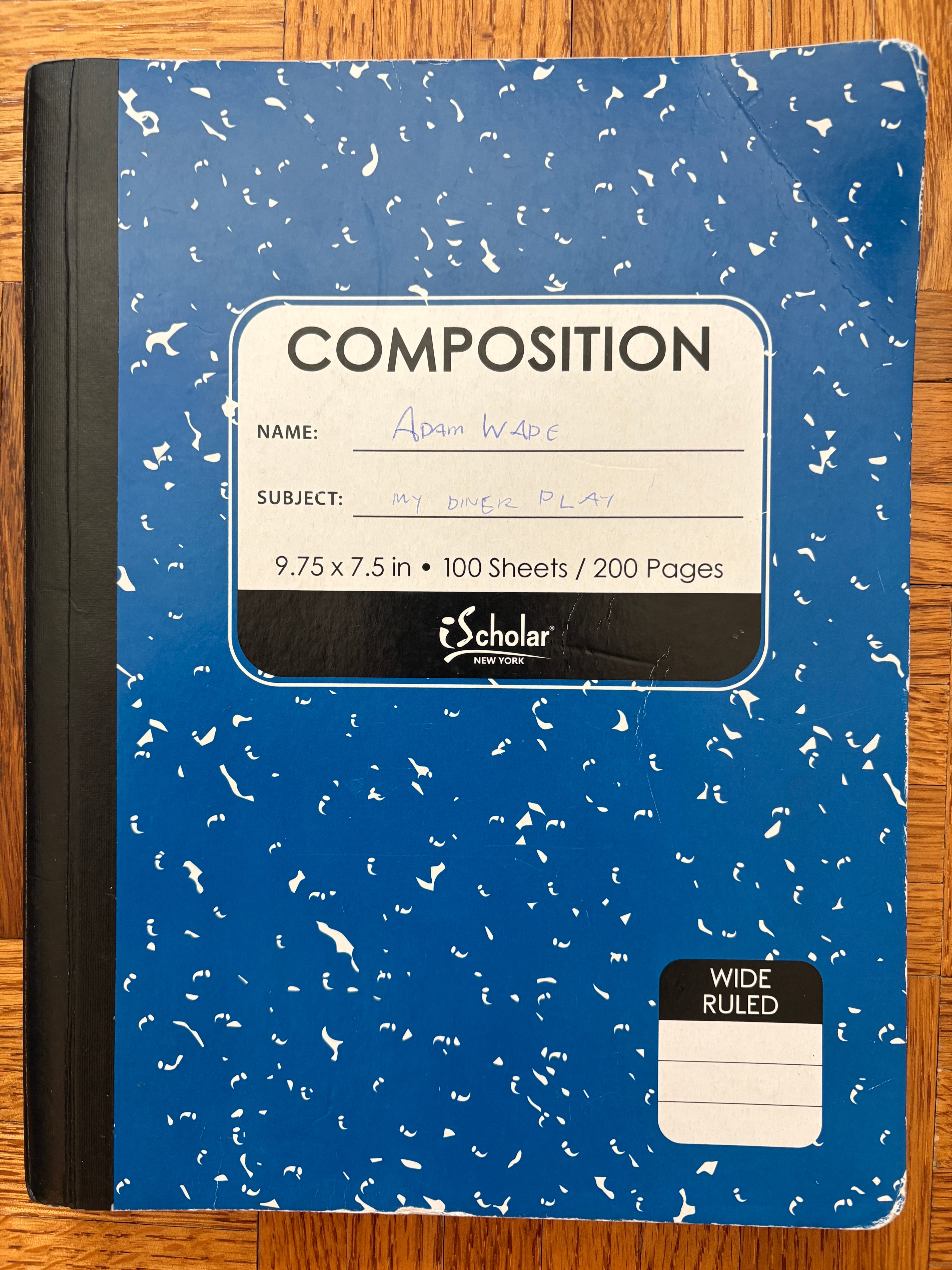
I tried my best to trust myself and enjoy the process.
And slowly, it started coming together in ways I couldn’t believe.
All those years of notes...
All those folders...
All those seemingly unrelated memories...
They were finally becoming a story.
They’d been waiting for one another.
My goal was simple:
Create a beginning.
Create a middle.
Create an ending.
And don’t stop until all three existed.
What surprised me most wasn’t that I was writing a play.
It was how much I enjoyed returning to a world that had meant so much to me.
The diner.
The community.
The first crush.
The first job.
The dreams of getting out.
Six months later, I typed two words:
THE END.
I had finished the first draft.
I was so excited.
I did it.
The first person I messaged was Beth.
I thanked her for posting that photo.
Without it, I don’t think this play would have existed.
I printed out the final page and just stared at it for a while.
Wow.
For years, writing a play had felt like something other people did.
Now I was holding one in my hands.
To celebrate, I bought myself a hot fudge sundae from McDonald’s and took a long walk along the Jersey City waterfront.
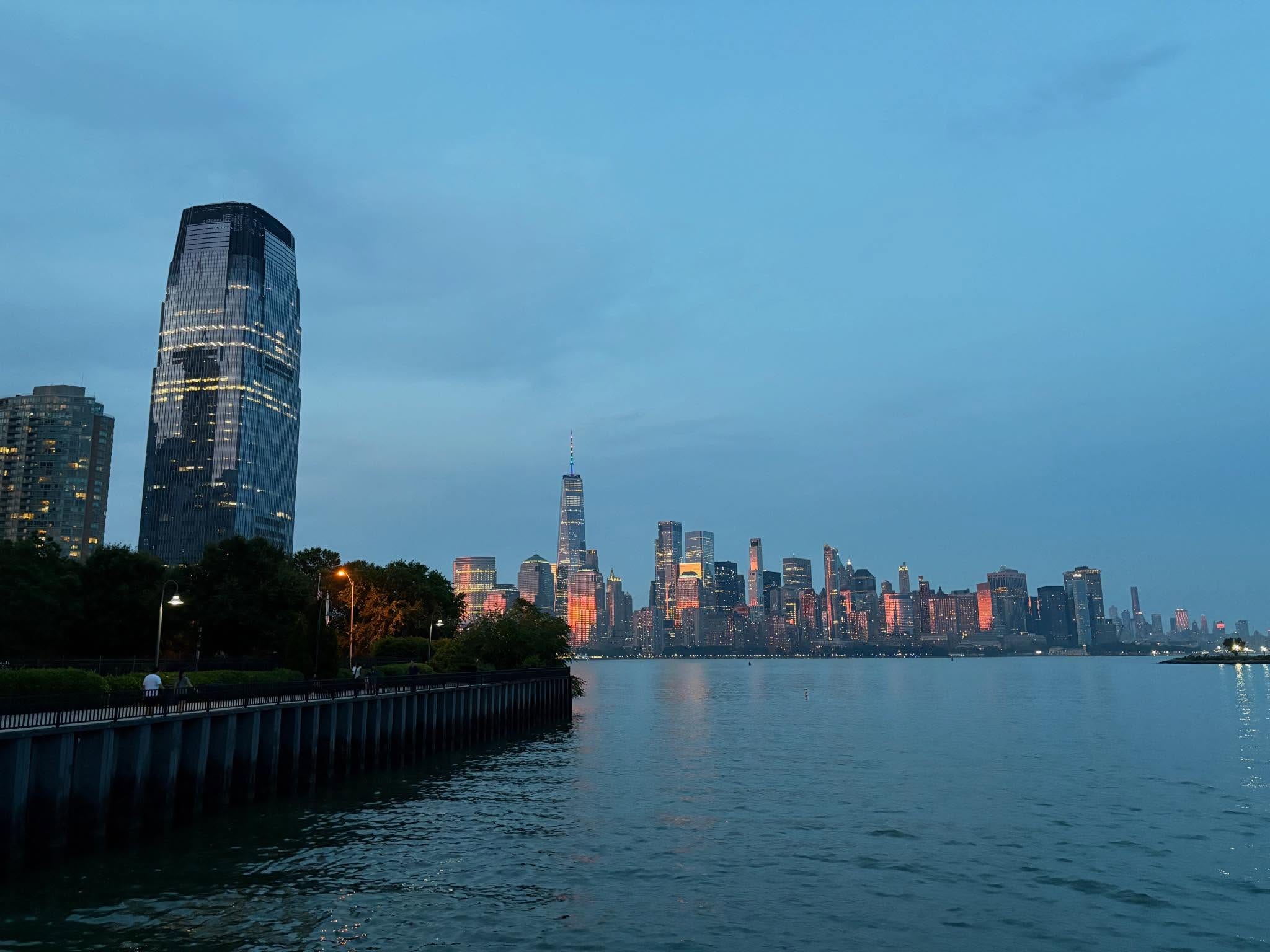
It wasn’t a fancy celebration.
It didn’t need to be.
It felt perfect.
As I walked along the waterfront, looking at the Manhattan skyline, I kept thinking the same thing over and over again.
I wrote a play.
I wrote a play.
I’m a playwright.
There was only one person I wanted to send it to first.
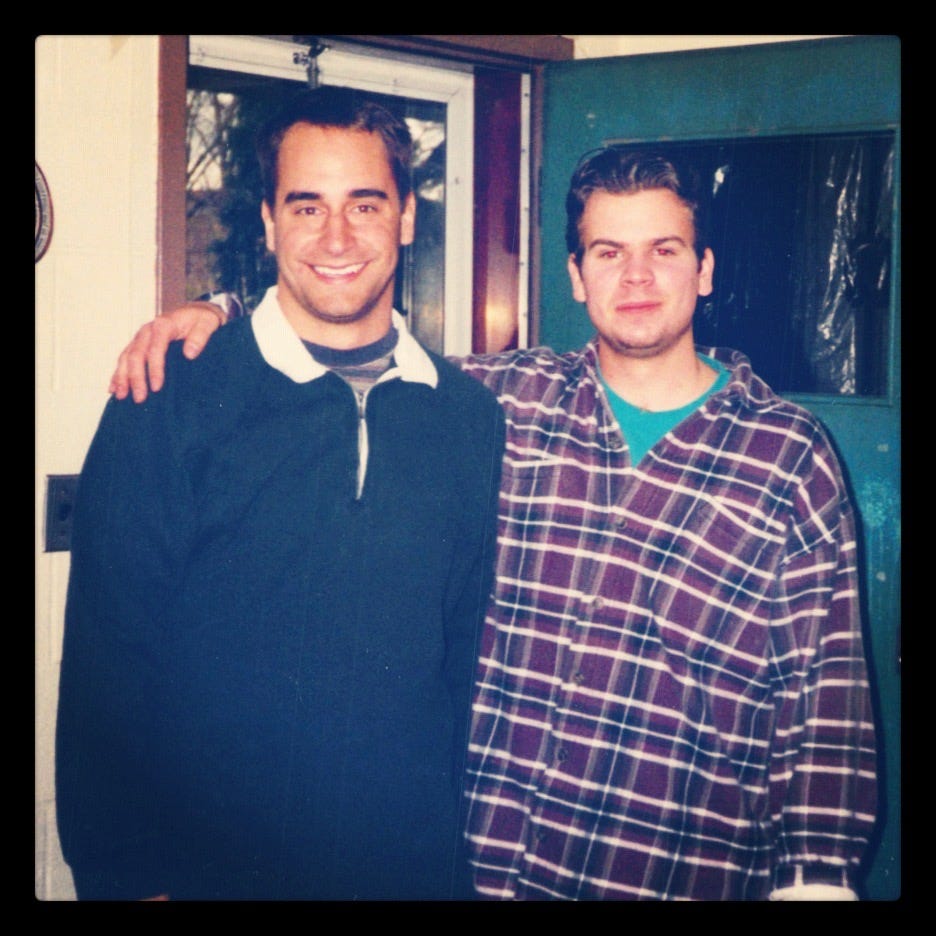
Flanders.
My college friend, and the first person I’d ask to read almost anything I created.
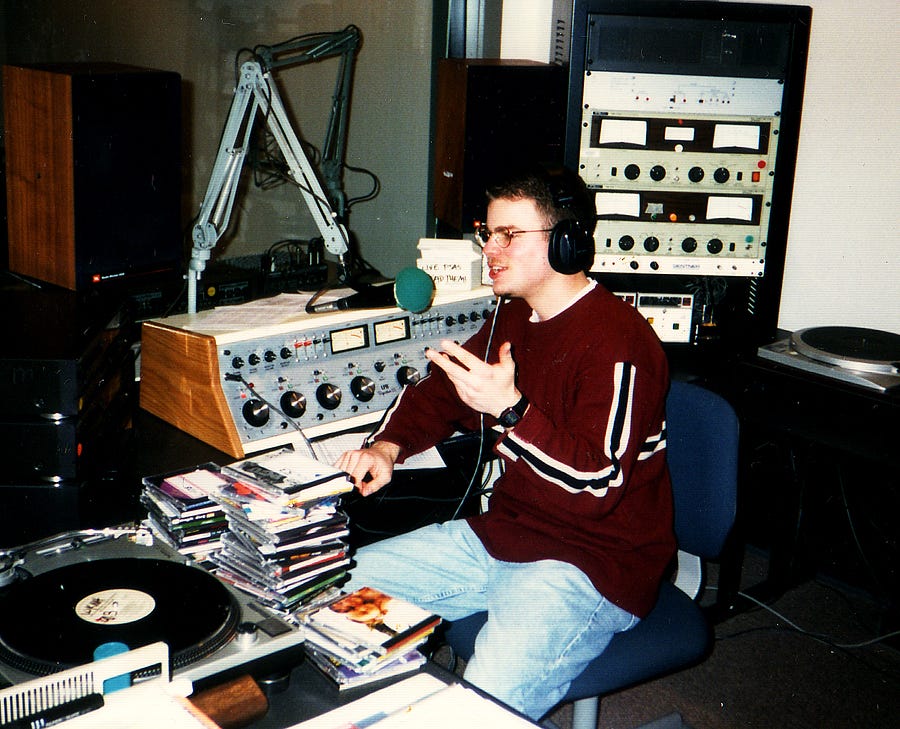
When I was a DJ at WKNH, the college radio station, Flanders not only listened to every weekly show, he recorded each one on cassette for me. Afterward, we’d recap the show together. I’d ask what worked, what didn’t, and bounce ideas off him.
Later, when I started writing and performing story songs, he was usually the first person I’d try them out on.
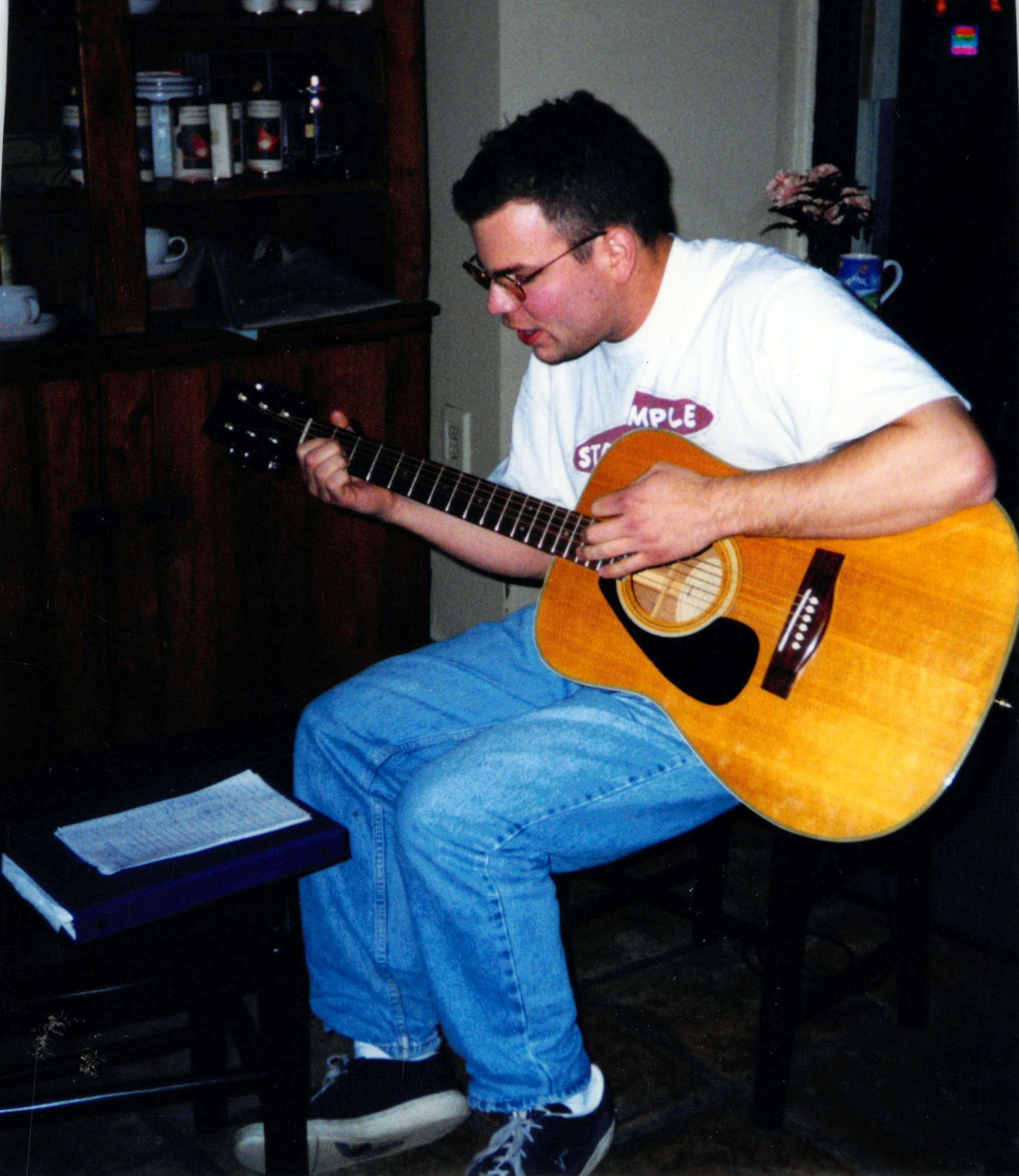
Over the years, that never really changed.
His feedback was always thoughtful, generous, and honest.
So I emailed Flanders:
Hey Flanders,
I think it’s 100,000 times better than the screenplay.
Let me know what you think.
A week later, he wrote back:
“You’ve got something good going here.”
He’d been there from the beginning.
If he thought I had something...
maybe I really did.
I spent the next few days soaking in that feeling.
Then another realization arrived.
Finishing the first draft wasn’t the finish line.
It was the starting line.
Adam Wade is a New York City-based storyteller, performer, teacher, and playwright. He is a 20-time Moth StorySLAM winner and the creator of the Audible Original You Ought to Know Adam Wade. You can learn more about his live shows, classes, and creative projects here.
A skillfully braided tapestry. The threads were a joy to read. I really hope Manchester appreciates you as a citizen and a storykeeper.
LOVED reading this, Adam. Congratulations to you and thanks for sharing! So fun to hear your memories ✨